

Introduction: UFC as Both Sport and Business
Mixed martial arts has grown far beyond its early reputation as a niche combat sport. Today, the UFC represents the highest level of competition in MMA and a global entertainment product watched by millions. Every fight night showcases not only athletic skill and mental toughness, but also the economic realities of a sport where performance directly affects income.
While fans focus on finishes, rankings, and rivalries, fighters and those around the sport must also think about earning potential, financial stability, and long-term careers. This article explores how money flows through UFC fights, how fighters earn a living, and how modern financial tools fit into the broader MMA landscape. As digital finance becomes more visible across different industries, some readers may reference external analyses – for example, here – to better understand how cryptocurrency platforms operate at a general level, without making them a central part of the MMA discussion.
How Fighters Earn Money in the UFC
Fight Purses and Win Bonuses
The most visible source of income for UFC fighters is their fight purse. Typically, contracts include a base payment to show up and an additional bonus for winning. This structure creates clear incentives but also significant risk.
For many fighters, especially those early in their UFC careers, losing a fight can mean earning only half of their potential pay. Unlike team sports with guaranteed salaries, MMA income is directly tied to performance and availability.
Performance Bonuses
UFC events often include bonuses for exceptional performances, such as Fight of the Night or Performance of the Night. These bonuses can represent a major financial boost, sometimes exceeding a fighter’s base purse.
According to Home of Fight, 8.5 million dollars was paid to UFC fighters for 143 post-fight bonuses in 2025.
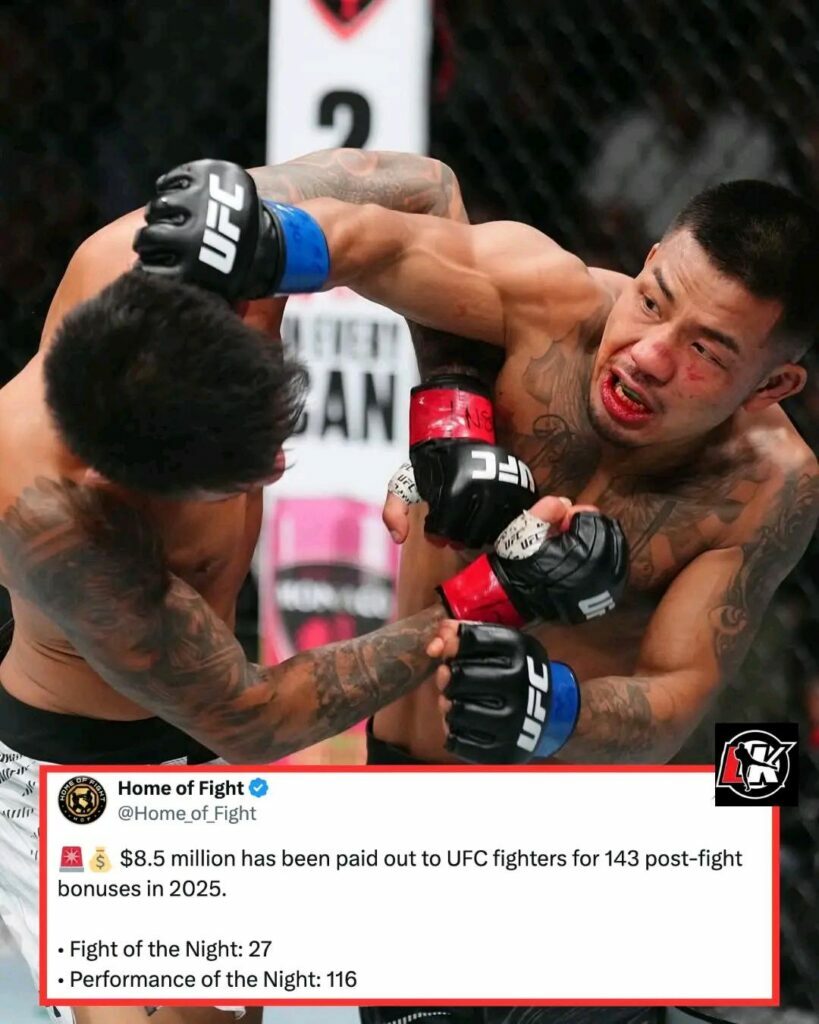
For lower-paid fighters, a single bonus can significantly change their financial outlook for the year.
The Reality of Fighter Expenses
Training Camps and Team Costs
Earning money in MMA is not as simple as stepping into the cage. Fighters must cover substantial expenses, including:
- gym memberships
- coaching fees
- sparring partners
- strength and conditioning
- nutrition and recovery
- travel and accommodation
These costs can consume a large portion of a fighter’s earnings, particularly for those without sponsorship support.
Injuries and Career Uncertainty
Injuries are a constant risk in MMA. Time away from competition often means time without income. Unlike traditional employment, there is no paid leave or long-term security for most fighters.
UFC heavyweight champion Tom Aspinall suffered an eye injury in his most recent bout against Cyril Gane. Months later and he is still reeling from it. On his YouTube channel, he gave a small update.
“By the time this [statement] goes out, I’ll probably have surgery on one eye already,” said Aspinall, in a video released on Sunday. “Next surgery is coming mid-January. So, we’re working towards getting back. That’s the plan.”
This reality forces athletes to think carefully about financial planning early in their careers.
Beyond the Cage: Other Ways Fighters Earn
Sponsorships and Personal Branding
While the UFC restricts in-cage sponsorships, fighters can still earn money through external brand deals, social media partnerships, and appearances. Fighters who build strong personal brands often earn more outside the cage than inside it.
Podcasts, YouTube channels, coaching programs, and seminars provide additional income streams that help fighters remain financially stable.
Media, Coaching, and Post-Fight Careers
Many fighters transition into coaching, commentary, or analysis roles after their fighting careers. Experience at the UFC level carries credibility that opens doors in gyms, media outlets, and online platforms.
Long-term success in MMA often depends on planning for life after competition.
Fans, Money, and the UFC Economy
Pay-Per-View and Global Reach
The UFC’s revenue is driven largely by pay-per-view events, broadcasting deals, and international expansion. Fighters at the top of the card benefit directly from this structure through higher purses and revenue-sharing opportunities.
As the sport grows globally, fighters gain exposure to new markets and audiences, increasing their earning potential.
Merchandising and Fan Engagement
Fans support fighters through merchandise, subscriptions, and online engagement. This connection between athlete and audience plays a role in determining who receives bigger opportunities and better contracts.
Neutral Mention: Cryptocurrency and Financial Awareness in MMA
As fighters and fans become more financially aware, discussions around money management have expanded beyond traditional banking. Cryptocurrency occasionally appears in MMA conversations, whether through sponsorships, payment options, or investment discussions among athletes.
From a practical perspective, crypto is simply one of many financial tools available today. Some fighters explore it as part of broader financial planning, while others avoid it entirely. The key considerations remain the same as with any financial decision:
- understanding risk
- avoiding speculation without knowledge
- prioritizing stability
- seeking professional advice
It is important to emphasize that cryptocurrency is not a core part of UFC earnings or fighter compensation. Its mention here reflects the wider financial environment athletes navigate, not a recommended or central strategy.
Betting, Analysis, and the Business of Attention
Why Fans Analyze Fights So Deeply
MMA fans often study fight styles, matchups, and statistics in detail. This analytical culture exists for many reasons, including fantasy leagues, media discussion, and personal interest in the sport’s technical side.
While betting exists within the MMA ecosystem, it remains separate from the sport itself. For most fans, analysis is about understanding the fight, not profiting from it.
Maintaining Integrity in the Sport
The UFC and athletic commissions enforce strict rules to protect competitive integrity. Fighters, coaches, and officials are prohibited from participating in activities that could compromise fairness.
Financial engagement around the sport must always respect these boundaries.
The Gap Between Stars and the Roster
Top Earners vs the Average Fighter
A small number of UFC fighters earn millions, while the majority earn modest sums. This gap reflects differences in marketability, rankings, and negotiating power.
Understanding this disparity is essential when discussing “earning money in MMA.” Success at the top is real, but it is not representative of the average experience.
Why Longevity Matters
Fighters who manage to stay active, healthy, and relevant over time often earn more than those with short, explosive careers. Consistency, professionalism, and adaptability are critical.
FAQs
1. Do UFC fighters earn guaranteed salaries?
No. Most fighters are paid per fight, with win bonuses playing a major role.
2. Can fighters earn money outside the UFC?
Yes. Sponsorships, coaching, media, and personal branding are common income sources.
3. Why mention cryptocurrency in an MMA article?
Only as a neutral reference to modern financial tools some athletes encounter.
4. Is MMA betting part of fighter income?
No. Fighters do not earn money from betting and are restricted from involvement.
5. Is fighting in the UFC financially secure?
It can be for some, but many fighters face financial uncertainty and must plan carefully.
Conclusion
UFC fights represent the pinnacle of MMA competition, but behind every bout lies a complex financial reality. Fighters earn money through performance, branding, and long-term planning, often under significant risk and pressure. Neutral references to cryptocurrency simply reflect the broader financial environment surrounding modern athletes, not a defining element of the sport. Ultimately, earning a living in the UFC requires not only fighting skill, but discipline, strategy, and awareness both inside and outside the cage.