Paddy Pimblett is messy, loud, and sometimes even annoying, but he doesn’t need a belt to command attention. He just has to talk.
In a sport full of Conor McGregor imitators, he’s the only one who remembers the secret ingredient: being funny. Everyone else copied the walk, the confidence, the “manifested this” swagger — but they left out the laughter. Conor, at his peak, could eviscerate an opponent and still make you laugh halfway through your beer. That was the magic: He could turn hostility into theater.
Paddy Pimblett has that, maybe not the precision or the aura, but definitely the timing.
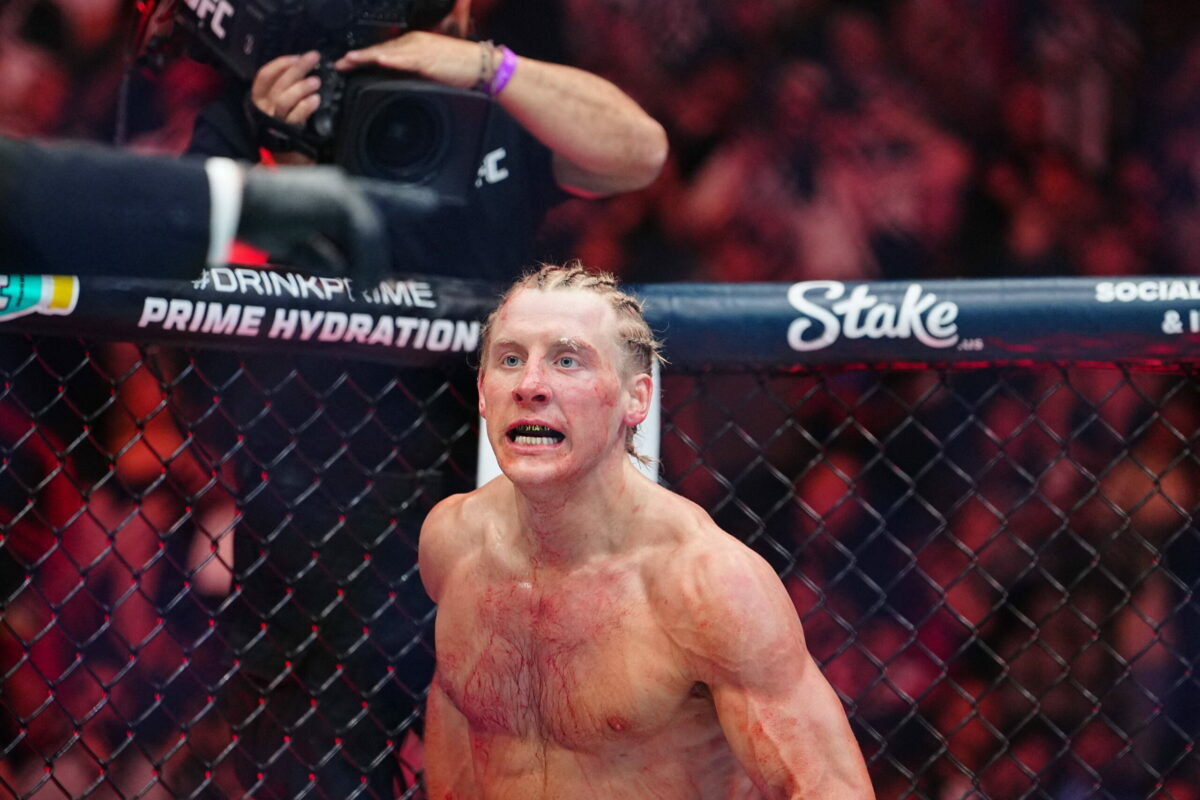
Paddy Pimblett: The McGregor Blueprint — and What Everyone Missed
Since McGregor’s rise, half the roster has tried to play his part. They study the cadence, practice the insults, and talk about destiny. But what they missed is that McGregor wasn’t just a salesman — he was funny. His press conferences were stand-up sets disguised as psychological warfare. You didn’t roll your eyes when he talked trash because there was wit behind the venom.
That’s what separates Paddy Pimblett from the clones. He isn’t trying to sound enlightened or poetic about pain. He’s just enjoying himself. When he pokes at someone like Islam Makhachev or Ilia Topuria, it doesn’t feel manufactured. It feels like a guy who can’t resist a good line, even if it earns him a few enemies.
Paddy Pimblett’s Humor Travels — Seriousness Doesn’t
It’s not that other fighters can’t be funny. Islam can be — when he’s relaxed. Call Daniel Cormier fat? Sure. But that’s locker-room humor, not global charm. The second the cameras roll, most champions slip into autopilot about discipline and legacy.
Paddy Pimblett doesn’t have an autopilot. That’s why his interviews and face-offs linger long after the fights fade. He’s one of the few modern fighters who understands that personality travels further than power.
Fans don’t just want dominance — they want presence. Topuria, for example, might be the cleanest puncher in the sport. Every strike looks engineered. But when he talks, it’s efficient and forgettable. Paddy could talk about breakfast and make it feel like a story.
Entertainment Still Matters to Paddy Pimblett’s Fans
There’s a certain crowd in MMA that claims they only care about skill. They’ll insist titles and takedowns are all that matter. But let’s be honest: the sport didn’t explode because fans studied the guard. It grew because it felt alive.
The best moments were never purely technical — they were cinematic. Chuck Liddell’s stare, Rampage’s howl, Chael Sonnen saying something absurd before backing it up. That mix of danger and theater is what hooked people.
Paddy Pimblett fits that lineage. He’s not reinventing the fight game, he’s reminding it why we watch. The irony is, his humor isn’t delusion. He knows he’s not Islam, he knows he’s not Topuria, but he also knows that fighting isn’t only about who wins — it’s about who you remember.
Paddy Pimblett’s Balance
What makes Paddy Pimblett special is how he walks the line between parody and sincerity. When he trolls Islam, he’s not pretending to be the next Khabib-killer. He’s doing what every fan does, talking a little smack for fun. He just happens to do it on camera with millions watching.
That’s the trick: He’s performing fandom from inside the cage.
And people love it because it feels real. You don’t have to agree with him to enjoy him. You just have to appreciate that he breaks the monotony. While others polish quotes and practice poses, Paddy still sounds like the friend you’d argue fights with at the pub.
He’s the counterweight to the over-coached athlete. The reminder that MMA doesn’t have to pick between art and entertainment — it needs both.
He might never dominate like Islam or strike like Topuria. But every era needs someone who can loosen the grip, make people laugh, and — dare we say — make the whole violent circus feel joyful again.
