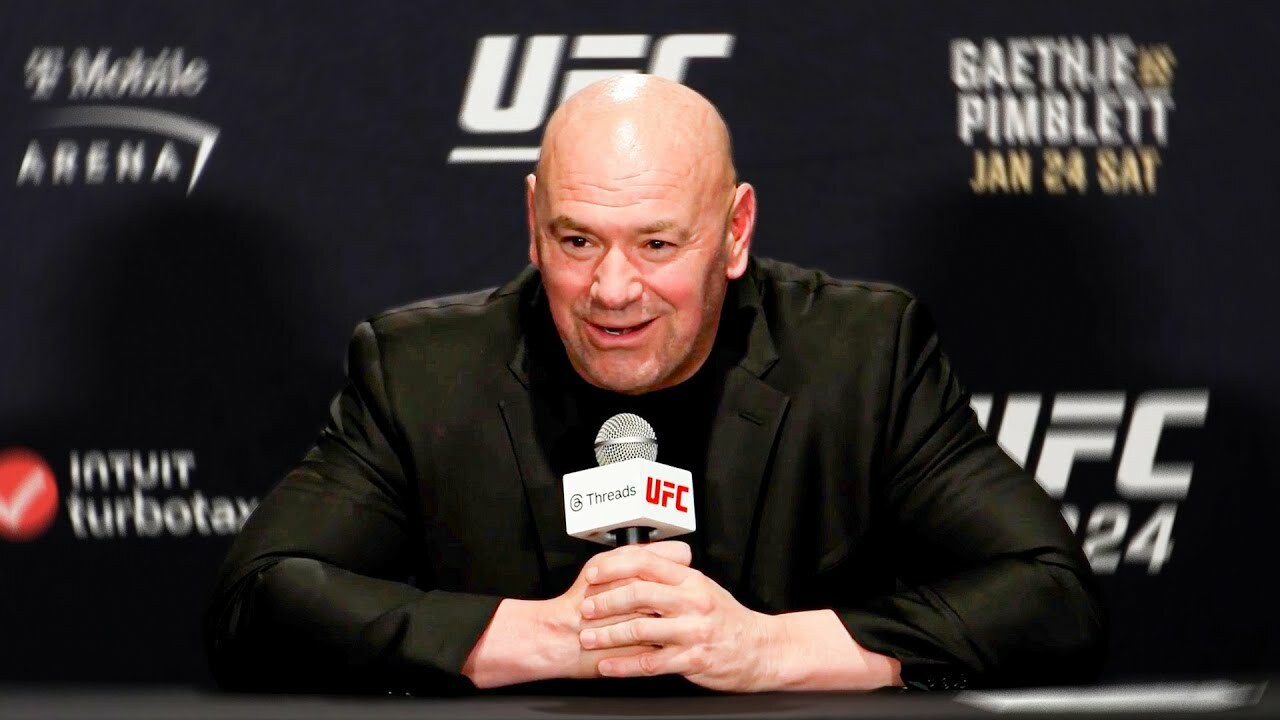
Even though there is another UFC Betting Scandal on the rise, Dana White is likable. We’ve heard his origin story a hundred times — how he told the Fertitta brothers the UFC was about to go under, how those early Spike TV numbers saved everything, how they realized they finally had something real. That’s the Dana White people respect: the grinder who turned a fringe sport into a global business.
That version of White is easy to trust.
But once you move out of hustle mode and into billionaire territory — when you openly love gambling, are worth more money than most people can imagine, and are rolling with Donald Trump like he’s one of your homies — it gets harder to believe everything is still as squeaky clean as he makes out.
So when the Isaac Dulgarian situation surfaced, it barely registered as shocking. And when reports started circulating that around 100 fights from 2025 alone were flagged for suspicious betting activity, the latest UFC betting scandal stopped feeling like an isolated problem. A normal UFC card — prelims and main card combined — has about 15 to 20 fights. Even if that number is inflated, the percentage of bouts under question is still uncomfortably high.
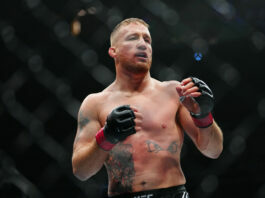
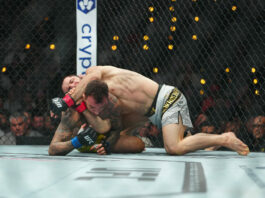
Then you watch UFC 324. Song Yadong looks like he did enough to win, and the judges give it the other way. That’s not a fix accusation — it’s just how it felt watching it live. But when moments like that happen inside a sport already dealing with a UFC betting scandal, everything starts getting questioned. Not because fans are paranoid, but because the environment invites it.
The Latest UFC Betting Scandals
The money doesn’t help. The UFC isn’t just successful anymore — it’s bloated with cash. A billion-dollar deal with Paramount. Pay-per-views pushing $80. Live tickets priced like they’re meant for people with VC expense accounts. Gambling isn’t on the sidelines anymore — it’s part of the atmosphere, and every new UFC betting scandal lands heavier because of it.
It’s easy to bet on the UFC. Walk into any bookies and it’s normal. Once betting becomes that frictionless, information becomes currency. If you’re rich and connected, how hard would it really be to dump serious money on some random prelim — especially if a coach casually mentions his fighter is sick but too stubborn to pull out? It’s no longer a crazy thought in a sport already wrestling with a UFC betting scandal narrative.
And fighters aren’t the only ones with power. Referees have enormous influence. A quick Google search shows UFC referees make roughly $40,000 a year. That’s basically a part-time job — except you’re travelling the world and making split-second decisions that affect careers and betting lines.
When massive gambling money meets underpaid officials with real power, temptation doesn’t require corruption. It just requires opportunity. That’s why any UFC betting scandal immediately feels systemic, even before facts are fully known.
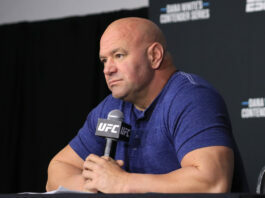
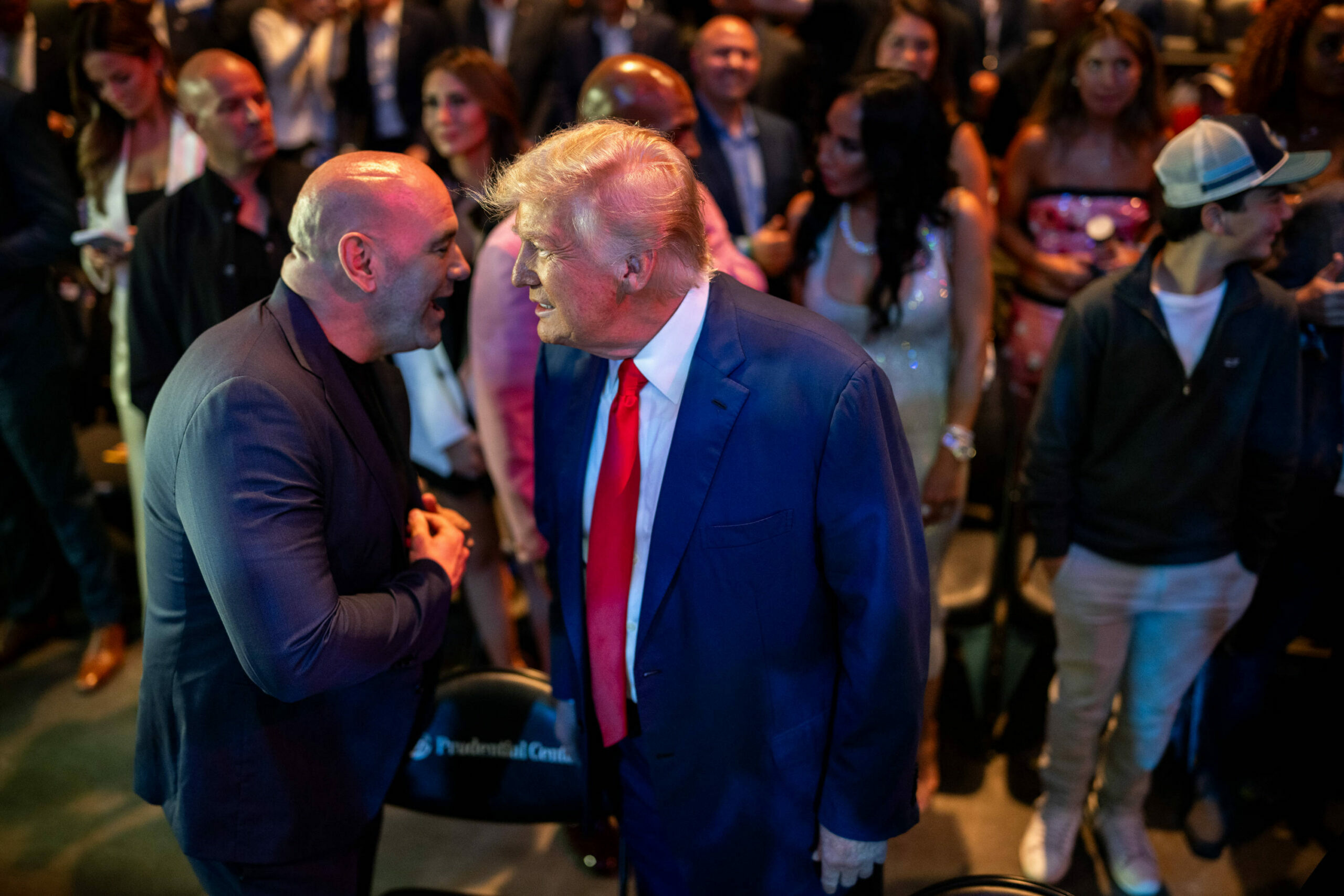
Then there’s Dana White again — not just a promoter, but a political figure. Donald Trump has appeared cageside at UFC events. They’ve been friends for decades. Trump is president again. And now the UFC is dealing with betting irregularities that have drawn federal attention. If your best friend is the President and the FBI is looking into your company, of course, you’re going to ask for help. Whether you get it or not, the optics alone kill confidence — and make every UFC betting scandal feel bigger than it might otherwise be.
Fighter Pay
What really sharpens the discomfort is the fighter pay gap. Executives brag about million-dollar casino credit lines, while fighters on $12K/$12K contracts go online asking how to pop their noses back into place because they can’t afford proper care. These guys train year-round, often can’t work real jobs, and are expected to risk their brains for a shot at a $100,000 bonus.
That setup breeds jealousy. And jealousy breeds temptation. At some point, it becomes hard to expect everyone to fight their hearts out for scraps when avoiding brain damage for one night could pay ten times more… That’s not calling fighters dishonest. That’s admitting the math changes in a sport where UFC betting scandals are now part of the conversation.
Until the UFC opens the process — until fans know who’s betting, when markets move, how fights get flagged, and what happens afterwards — every close decision is going to feel heavier than it should. And until fighters are paid enough that a gambling syndicate couldn’t triple their annual income with one bad night, suspicion isn’t paranoia.
It’s a rational response to the environment the sport has created.
And that’s why every UFC betting scandal feels bigger than the last.