Dana White’s UFC Pay Problem Explodes as Shakur Stevenson’s Zuffa Boxing Exit Exposes TKO’s Double Standards
Just a few years ago, Dana White had one mission: turn the UFC into the biggest combat sports promotion in the world and make it a legitimate rival to boxing.
UFC fighters believed they could finally earn big bucks, just like high-profile boxers. However, reality has painted a vastly different picture. Zuffa Boxing appears to be facing an uphill battle, with a high-profile boxer’s exit adding to its troubles and UFC fighters increasingly calling for better pay.
First Take: Shakur Stevenson’s Loss Sends Shockwaves
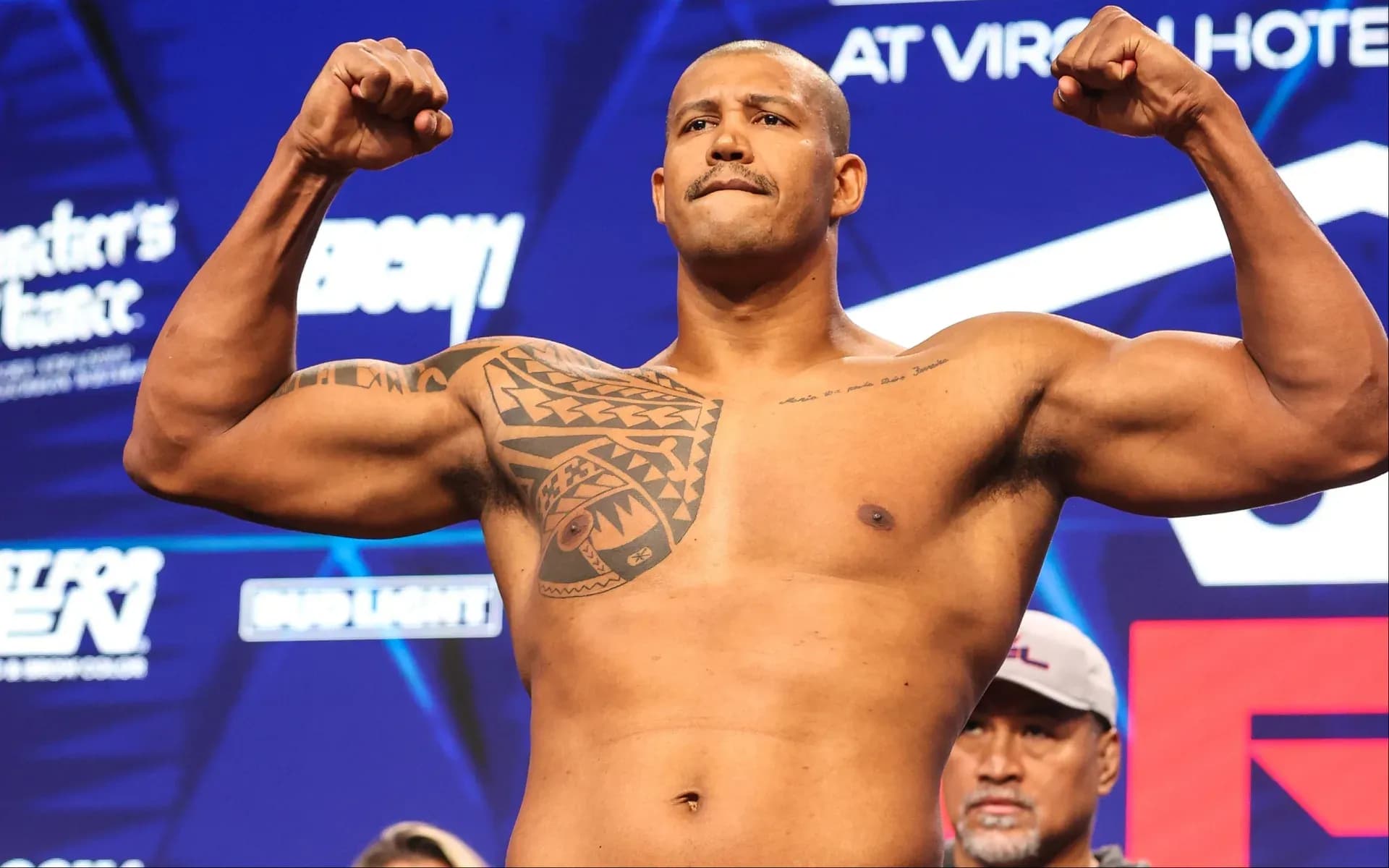
Zuffa Boxing’s partnership with Shakur Stevenson has hit a dead end barely three months in, despite the promises and expectations surrounding the deal. With no fights to show for it, Stevenson made it clear that things simply weren’t working out.
"I've been working my ass off, staying focused, staying in shape," Stevenson said in his announcement of the news. "I've been in camp for like eight weeks preparing for fights that I was told was going to happen, and it has not happened."
With no fights lined up, Stevenson bit the bullet and asked Zuffa Boxing to release him, a request the promotion granted over the weekend. Now a free agent, he is looking to arrange his own fights through his promotional company.
Now, the bigger question is how Shakur Stevenson’s exit could affect the UFC’s business model. At its core, this is a story about fighters and money. For years, MMA and boxing operated in largely separate worlds.
However, TKO’s expansion into boxing through Zuffa Boxing has created a new possibility: UFC fighters could step into the boxing ring and cash in on the sport’s bigger paydays. But if those promises fail to materialise, the UFC could face an existential crisis of its own.
UFC Fighters Face a Contractual Reality Check as Zuffa Boxing Offers a Different Path
Shakur Stevenson’s release raises a question that Dana White and co. have yet to answer: Is TKO offering boxers greater opportunities while keeping its MMA fighters locked into restrictive contracts?
The distinction is becoming harder to ignore. UFC middleweight champion Sean Strickland has already voiced frustrations over fighter compensation.
“I gotta be honest unless things change with the UFC I’m kind over it,” Strickland wrote on Twitter. “McGregor makes 30 million to fight for 30 seconds and they don’t want to pay us a fraction of it.
“Contemplating just going to 205, knocking out my contract and scrapping with Jake Paul. That sounds fun.”
His comments might have been aimed at Conor McGregor, but Conor Benn’s recent $15 million Zuffa Boxing contract has made matters even worse for MMA fighters. The issue is not simply that boxers earn more; it is also about the contractual leverage they hold.
Stevenson was able to request his release after failing to secure the fights he expected, and Zuffa Boxing ultimately granted it. UFC fighters, by contrast, generally remain bound by their existing agreements unless the promotion agrees to release them or their contracts expire.
One Combat Sports Empire, Two Different Contract Realities
Take Sean Strickland’s contract, for example. It highlights a much bigger problem. Strickland signed a new UFC deal ahead of his May title fight against Khamzat Chimaev, which he went on to win. However, his compensation remains governed by the terms of that agreement, regardless of his championship status or how much other athletes earn elsewhere under the TKO umbrella.
The traditional pay-per-view model was a major revenue generator that benefited fighters as well. However, under the new Paramount+ arrangement, that model has become obsolete. Fighters now face a different revenue structure, although the precise financial impact depends on their individual contracts and any negotiated bonuses.
Now, what’s the problem here? The widening gap between TKO’s revenue models and the contractual arrangements governing boxing and MMA fighters is becoming increasingly difficult to ignore, and the resentment is clearly growing. MMA fighters believe that if boxers can negotiate lucrative deals and secure their releases, they should have the same opportunities.
However, Stevenson’s departure alone does not establish that Zuffa Boxing offers greater freedom to every fighter. The central question is whether TKO can maintain UFC fighters’ loyalty while building a boxing business that highlights alternative pay structures and contractual opportunities.