MVP MMA Proved the Audience Exists - Now Comes the Hard Part
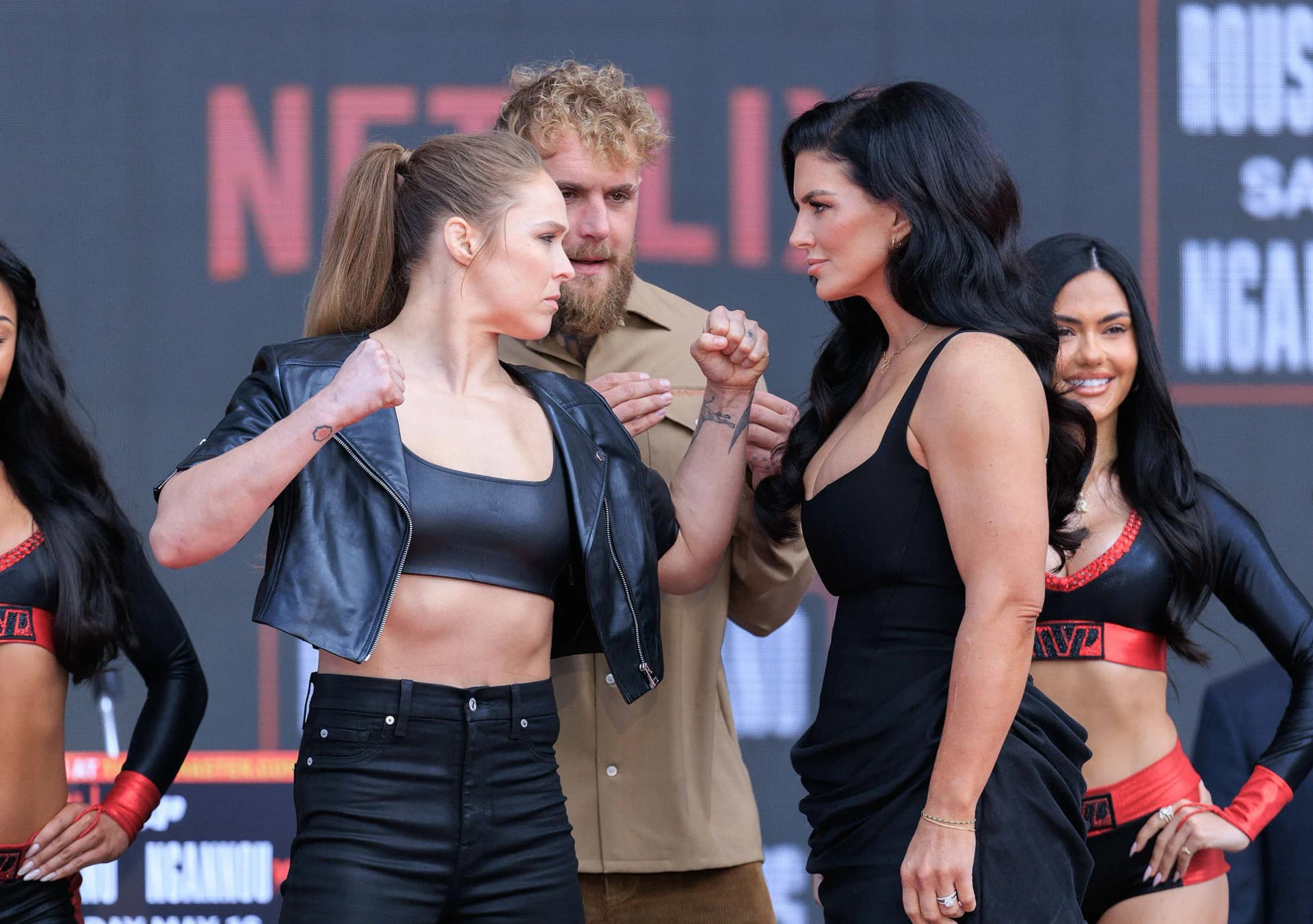
Most Valuable Promotions (MVP) made a historic impact with its first event, MVP MMA 1, which took place at the Intuit Dome on May 16. The event drew a massive audience, with Netflix reporting a peak of nearly 17 million global viewers for the main event between Ronda Rousey and Gina Carano. The triple main event averaged 12.4 million viewers worldwide, while in the United States alone, it averaged 9.3 million viewers and peaked at 11.6 million, breaking the record for most-watched MMA event in U.S. history, surpassing UFC on Fox 1 from 2011.
The State of the MMA Promotion
The success of MVP’s first event highlights just how fractured the MMA promotion landscape is outside of the Ultimate Fighting Championship (UFC). There are promotions fighting to gain traction as a credible alternative to the UFC but have struggled to do so.
PFL acquired Bellator in 2023 with ambitions of creating a genuine rival, but nearly three years later, there are reports that PFL is considering rebranding back to Bellator, indicating that the PFL brand has not resonated with fans.
ONE Championship has built a loyal following in Asia but has struggled to crack the Western market at scale. Smaller promotions come and go without establishing themselves as a consistent and credible alternative to the UFC.
The Fighter Pay Angle
MVP has already distinguished itself by offering competitive compensation to its fighters. Every fighter on the Rousey vs. Carano card was guaranteed a minimum of $40,000 with no win bonus structure, which is significantly higher than the UFC’s introductory pay of $12,000 to show and $12,000 to win. MVP also committed to a revenue share of over 50 percent to athletes, compared to the UFC’s estimated 18-20 percent.
Nakisa Bidarian, co-founder of MVP and former UFC CFO, emphasized that paying fighters fairly is crucial for the sport’s growth. He responded to criticism from TKO President Mark Shapiro by saying that “what’s bad for the sport is not paying the fighters.”
Building a Promotion
While MVP’s first event was successful in terms of viewership, it was built around legacy acts rather than active fighters competing regularly. The main event between Rousey and Carano lasted only 17 seconds, leaving some wondering whether MVP can maintain its momentum in future events.
Building a promotion requires a roster of active fighters competing on a regular schedule, divisions with rankings that fans care about, and cards where the outcome is uncertain and the stakes are real.
The Netflix Factor
MVP has secured distribution through its partnership with Netflix, proving that it can deliver MMA content to an audience that doesn’t watch ESPN or buy pay-per-views. Bidarian noted that other platforms like Amazon, Fox, and ESPN have also expressed interest in partnering with MVP.
The UFC’s own Netflix deal for live events demonstrates that platform’s appetite for combat sports content. If MVP can secure a multi-event streaming agreement, it would solve one of the key challenges faced by previous promotions trying to compete with the UFC.
What Comes Next
Bidarian has positioned MVP as complementary to the UFC rather than adversarial. However, any promotion signing MMA fighters and putting on cards will inevitably compete for attention, talent, and broadcast dollars.
The MMA industry has been waiting for a credible number two since Strikeforce was absorbed into the UFC in 2013. Whether MVP can fill this gap remains to be seen. With its proven distribution partner, former UFC executive leadership, and willingness to pay fighters fairly, MVP has made significant strides toward establishing itself as a viable alternative to the UFC.