Former UFC Heavyweight Champion Exposes Major Flaw in Modern MMA and Calls for Massive Rule Overhaul
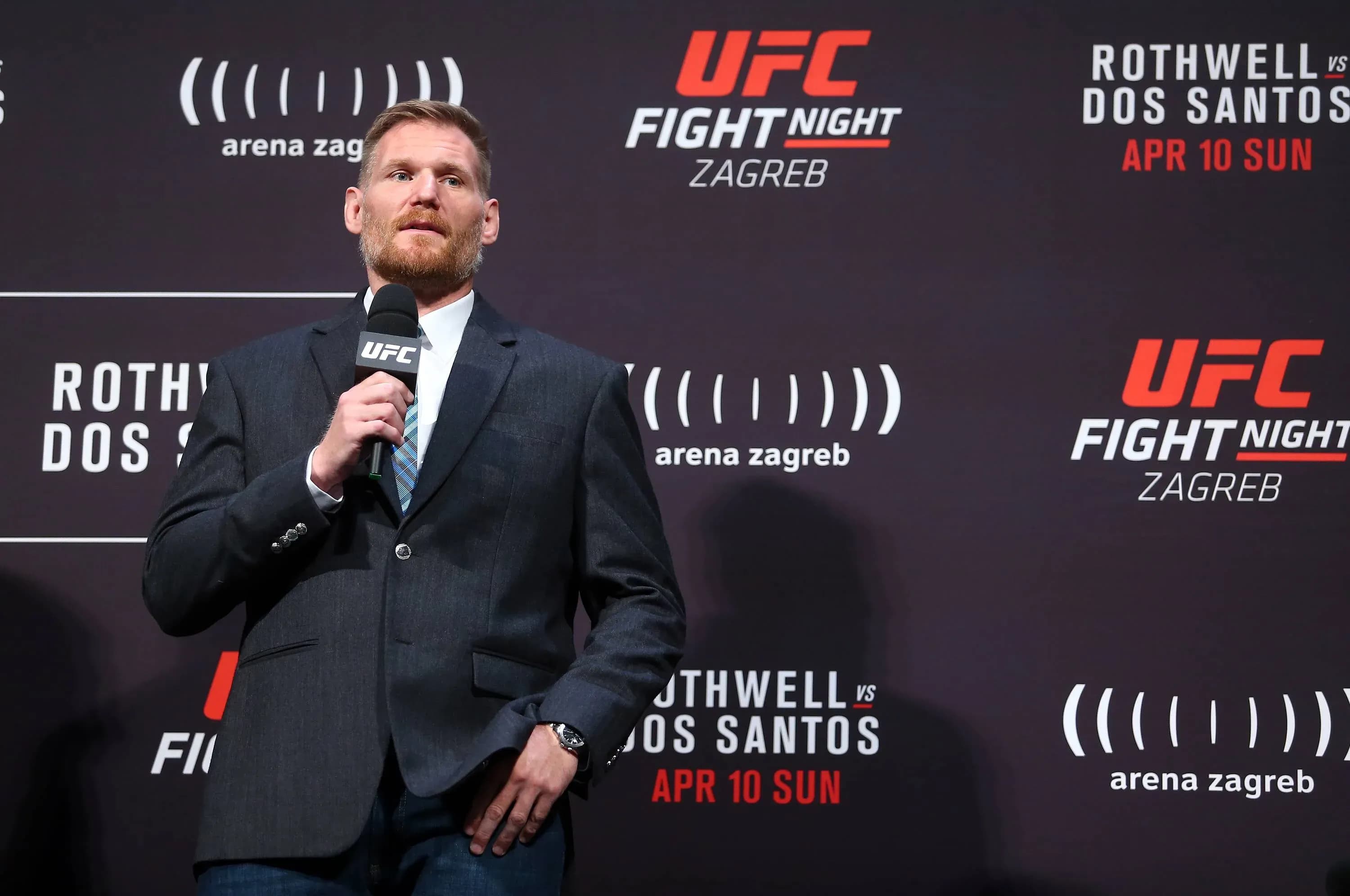
Ahead of the massive 25-minute championship fights at UFC 334, a former heavyweight champion explains why the current format is actually ruining modern MMA.
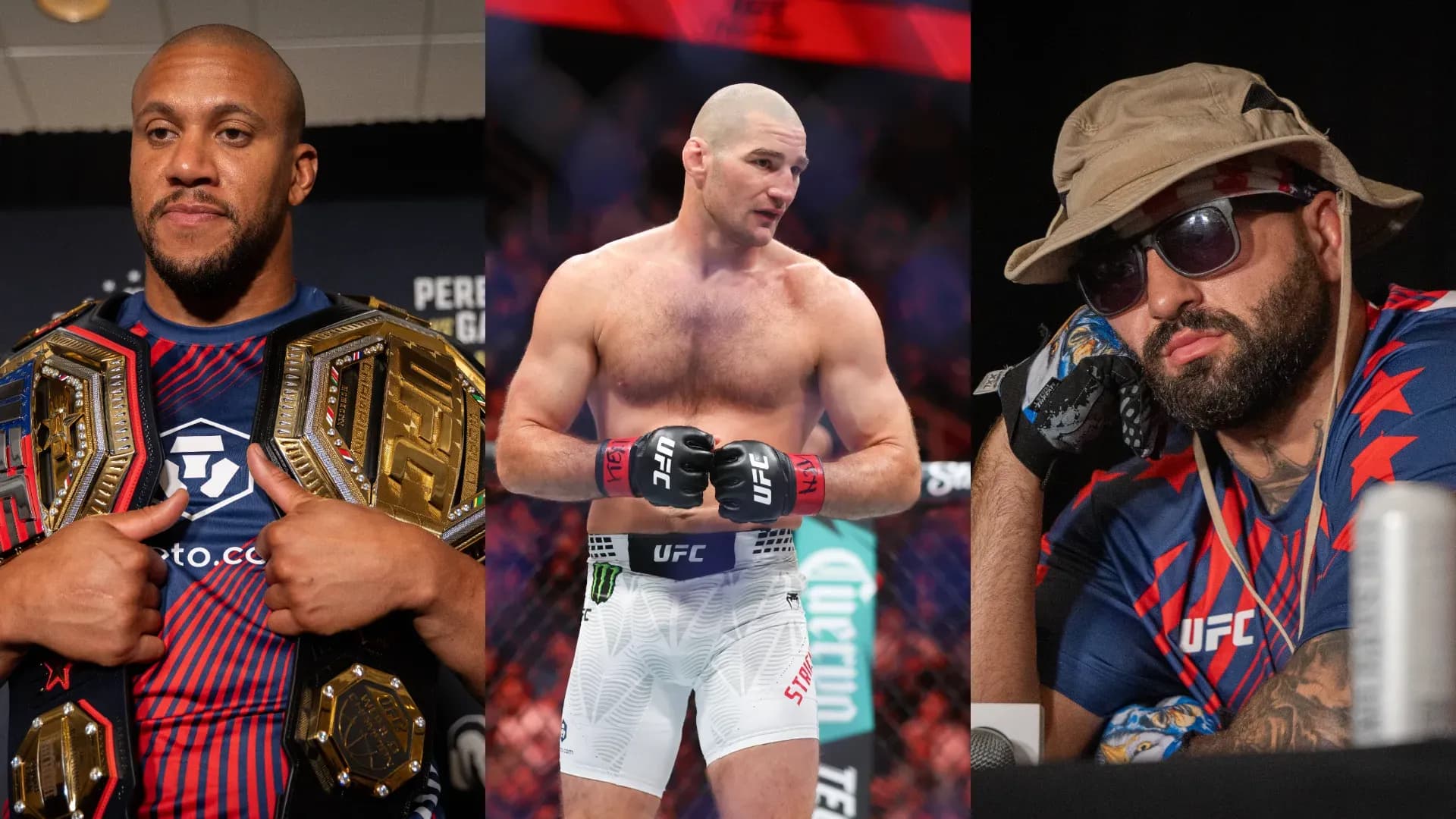
With less than a week left before UFC 334, all eyes are on the highly anticipated heavyweight title fight between Ciryl Gane and Josh Hokit. Alongside it, the co-main event between Amanda Nunes and Kayla Harrison is dubbed one of the greatest women's bouts ever booked.
While both of these blockbuster matchups are scheduled to run for grueling 25-minute durations, MMA icon Josh Barnett remains unsatisfied with the sport's current timing structure.
Lasting through five rounds is already a big challenge for most fighters, but the former UFC heavyweight champion called the current format "way too little" to properly showcase elite modern mixed martial arts.
Josh Barnett Pitches 10-Minute First Rounds for MMA
Under the modern Unified Rules, all non-title UFC fights are strictly locked into three five-minute rounds, while main events cap out at five rounds. Speaking on The Ariel Helwani Show, Barnett argued that these current time limits heavily restrict how fighters perform inside the cage.
He speaks from unique historical experience. He was just 24 years old when he stopped Randy Couture at UFC 36 in 2002 to capture the heavyweight title under early UFC rules. Later in his career, he starred in Japan's legendary PRIDE Fighting Championships, which famously forced fighters to endure a grueling 10-minute opening round.
Drawing from his old-school roots, Barnett proposed three distinct changes to make MMA more interesting. He told Helwani, "We were hampered by five-minute rounds. I would go 10s... 10 first and then five-five, or 10 and a five. Or even potentially 15 straight, like the UFC did for a minute... These guys are basically gaming to go three five-minute rounds... Most of MMA is just a bunch of kickboxing fights now."
Barnett explained that the current clock allows modern fighters to coast rather than fight. He also believes the universal five-minute standard makes the sport predictable. So, changing the format will bring MMA back to its true, grueling martial arts origins.
UFC 21 and Pride Rules Show How MMA Settled on Five-Minute Rounds
The UFC held its early events without rounds. UFC 8 in 1996 capped tournament fights at 10 minutes, with 15 minutes for the finals. The promotion officially introduced rounds at UFC 21 on July 16, 1999, in Cedar Rapids, Iowa. Under this new setup, preliminary bouts ran two five-minute rounds, main-card bouts ran three and title fights ran five.
The Unified Rules formalized that structure in 2000. However, Japan's PRIDE Fighting Championships kept a different model, with a grueling 10-minute first round followed by two five-minute rounds.
In 2011, UFC president Dana White extended the rules so that every headlining main event would run for five rounds, whether a title was on the line or not. Today, five-minute rounds remain the universal standard across the UFC, Rizin and ONE Championship.
While this system creates longer total fights -- up to 25 minutes for main events -- Barnett argues that breaking the action into short five-minute rounds is a mistake. The old era's continuous 10-minute opening round forced fighters to survive heavy pressure because the bell could not constantly save them.
There is no denying that today's short segments allow fighters to safely coast through individual rounds. But White feels proud of the current environment. He frequently points out that the UFC holds a perfect safety record with zero deaths in over 30 years, giving credit to his team's strict medical testing and safety rules.