Rizin Boss Calls Out UFC-Style Rules: "We Should Be Open to Changing"

Rizin CEO Nobuyuki Sakakibara says that the 'Unified Rules' of MMA, which are used by the UFC, are holding back the evolution of MMA.
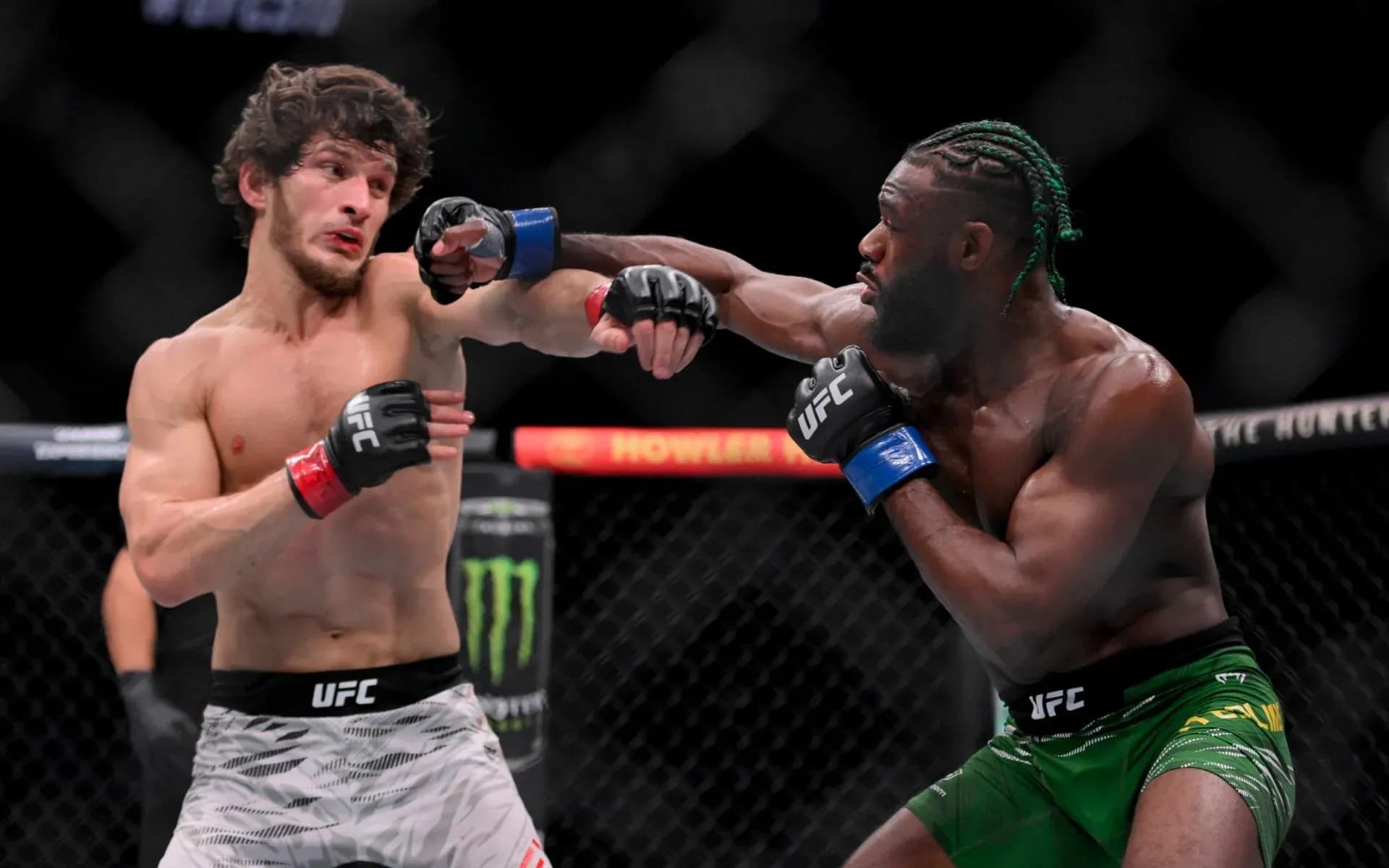
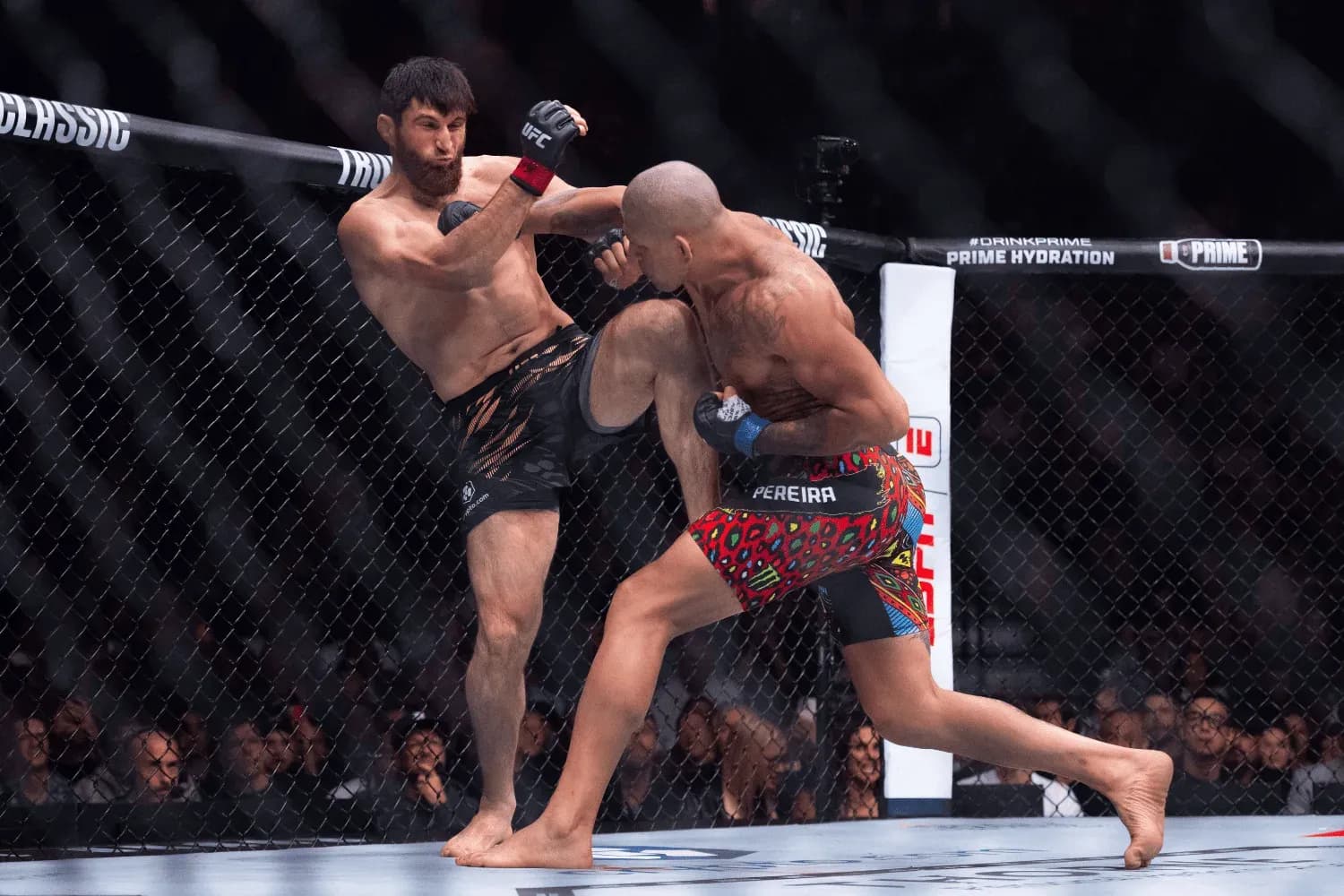
When it comes to mixed martial arts, the debate over how fights should be ruled and regulated is as old as the sport itself. While North American promotions like the Ultimate Fighting Championship operate strictly under the Unified Rules of Mixed Martial Arts, Japanese combat sports pioneer and Rizin Fighting Federation CEO Nobuyuki Sakakibara believes it is time for the sport to break free from those traditional boundaries. Speaking openly on the evolution and current state of combat sports, Sakakibara offered a blunt critique of the rule framework that currently governs most major organizations across the globe.
According to the veteran Japanese promoter, sticking strictly to an outdated status quo is holding mixed martial arts back from reaching its true global potential.
"I think that sticking to 'Unified rules' is holding back the evolution of the sport," Sakakibara stated. "I think we should be open to changing the rules. Even Judo and Wrestling has changed their rules."
Evolving Beyond Rigid Regulations
Sakakibara's comments touch on a fundamental divide in combat sports. While traditional martial arts like Judo and Olympic wrestling frequently modify their scoring and foul systems to keep matches dynamic and fan-friendly, Western MMA has largely kept its template intact since the early 2000s. Rizin, on the other hand, inherited the spirit of Pride Fighting Championships, permitting grounded knees, soccer kicks, and stomps while eschewing the standard North American ten-point must system.
For Sakakibara, rule flexibility isn't just about violent techniques; it is about creating unprecedented marquee matchups and historical moments for fight fans. He pointed directly to the massive potential for groundbreaking cross-promotional title stakes that the current rigid system often prevents.
"For the first time in MMA history in one fight, a fighter can win both belts," Sakakibara added, hinting at grand cross-promotional fights where world titles from different organizations could hang in the balance during a single bout.
We have already seen glimpses of what happens when promotions get creative and collaborate. Historic cross-promotional showdowns, such as former flyweight and bantamweight champion Kyoji Horiguchi competing across both Rizin and Bellator cages, proved that fans crave novel formats, fresh matchups, and real championship stakes.
Ultimately, Sakakibara’s plea serves as a wake-up call to the broader combat sports industry. While the UFC remains the undisputed market leader with its standardized, athletic commission-approved format, Rizin continues to push the boundaries of sports entertainment. Whether regulatory bodies in North America ever embrace Sakakibara’s fluid philosophy remains doubtful, but his willingness to challenge long-held dogma is a refreshing sight to see for MMA fans.