New York Times Reports Conor McGregor Used Banned Substances During Broken Leg Recovery
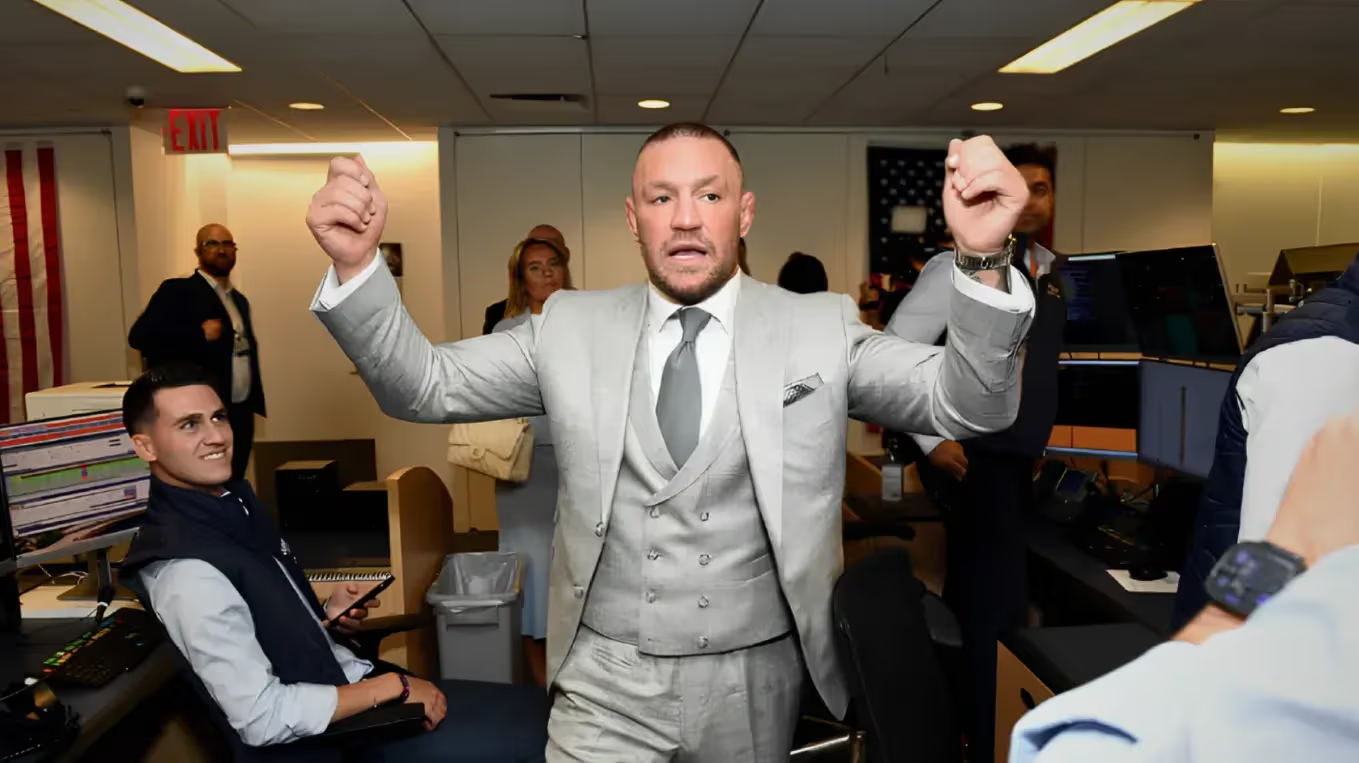
A New York Times investigation reports Conor McGregor used banned performance enhancing substances while recovering from the broken leg he suffered at UFC 264, and that his therapeutic use exemption was denied by USADA.
A New York Times investigation "revealed a detailed series of hormone and blood tests" that Conor McGregor "received" in 2021 while meeting with a doctor as part of his recovery. These tests found "markers" in McGregor's blood that "could be linked" to the use of performance enhancing drugs.
The report in The Times is based on the testimony of two people who knew about the matter, alleging that McGregor obtained the drugs with the guidance of Dr. Neal ElAttrache, the sports surgeon who operated on the leg and is also the head team physician for the Los Angeles Dodgers and Rams.
What the Doctor Said About Conor McGregor's Tests
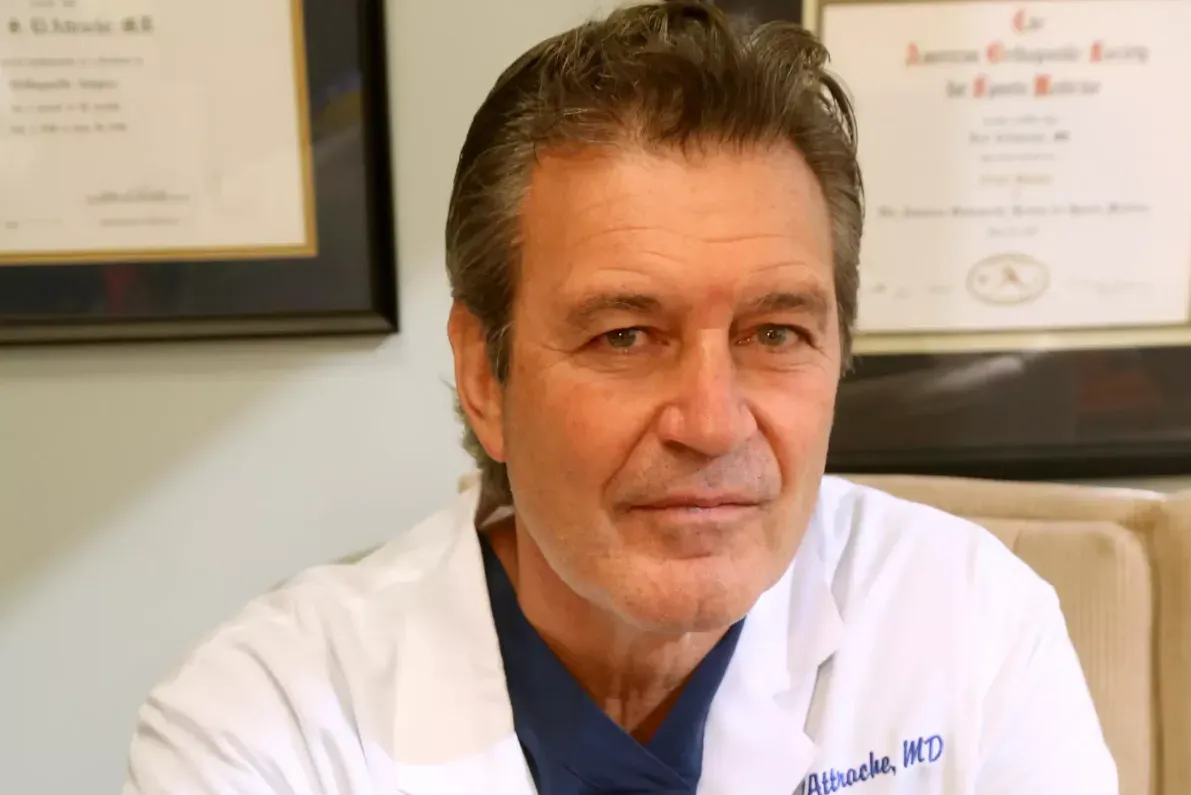 ElAttrache's statements to the Times are a bit contradictory. The surgeon first told the paper via text that he never "prescribed hormone or steroid treatment" for McGregor but then said that he referred him to a doctor who did and that he himself wrote a letter in support of an application for a Therapeutic Use Exemption to allow him to take banned substances while recovering.
Conor McGregor's TUE Denied by USADA
ElAttrache pushed back on the framing of the report, telling the Times that banned substances are not the same thing as illegal ones. He said the expert opinions Conor McGregor received showed "he could optimize his chance of solid union and healing of his fractures and decrease the chances that he would be left with incompletely healed fracture lines."
He did not cite specific research supporting the use of PEDs to heal a broken bone, and the Times spoke to ten sports doctors, sports officials, and trauma surgeons who said they were unaware of any professional athlete ever being granted a TUE for that purpose.
Conor McGregor: The Retirement, the Testing Pool, and the USADA Split
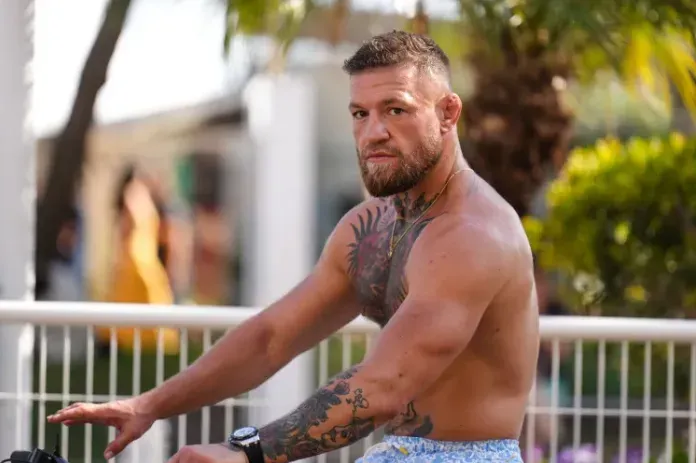
Following the TUE denial, McGregor retired from the UFC. This allowed him to exit the USADA testing pool and take whatever he wanted without repercussions. Over this time, McGregor was seen gaining a remarkable amount of muscle mass, which was frequently discussed across the MMA world.
In October 2023, McGregor revealed plans to return to the cage and announced that he was aiming to fight before the year was over. He entered back into the USADA testing pool. Shortly into his plans, The UFC announced that the Irishman would have to serve the six month testing pool portion in its entirety before being allowed to compete.
Also in October of 2023, it was made public that McGregor would coach the 32nd season of The Ultimate Fighter opposite the at the time UFC lightweight champion Michael Chandler, who he was set to fight at UFC 303 in June 2024.
He ultimately was forced from the contest after breaking his toe in a sparring session just weeks earlier. Following McGregor's injury and subsequent withdrawal, it was reportedly that USADA had given McGregor notice of a requested test three days before the contest.
In February 2024, he missed all three tests and in September 2025 he received an 18-month suspension for his second offense. He was scheduled to return in March 2026.
In 2024 the UFC ended their partnership with USADA and began working with Drug Free Sport International. The Times report connects the McGregor situation as part of the reason for the split.
McGregor's Camp and the UFC Respond
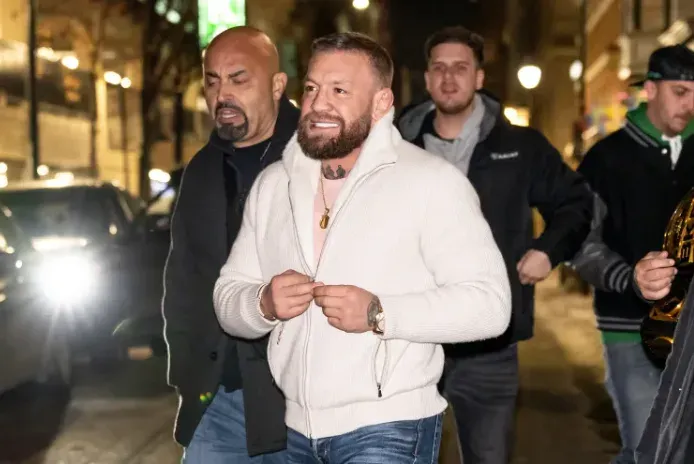
McGregor's manager Audie Attar did not confirm or deny whether McGregor used PEDs. He called the withdrawal from the testing pool a move "to focus fully on his recovery" and said McGregor's medical team "oversaw a combination of a gruesome surgery, intense physical therapy and appropriately prescribed medicines." Attar went further, calling the report "an unfathomable breach of health and privacy protections that my client's purported personal medical records would be disclosed."
UFC Chief Business Officer Hunter Campbell told the Times that McGregor "maintained proper communication with our team" and remained "in full compliance with the rules of our comprehensive drug program."
Heading Into UFC 329
The timing of this report is wild. McGregor has not fought since July 2021 and is now the most tested fighter in the UFC's current drug testing program. DFSI has collected 12 samples from McGregor in 2026 alone. For comparison, the next closest fighter is Bassil Hafez with five tests despite not competing since 2024. Khamzat Chimaev has been tested three times this year, Sean Strickland four, Alex Pereira twice. Joshua Van has zero.
McGregor faces Holloway at welterweight on July 11 in Las Vegas. The conversation around whether a 37-year old McGregor can actually compete at an elite level after five years away was already loud. This report basically throws gasoline on the fire
ElAttrache told the Times that the distinction between banned and illegal matters more than people think.
"You are acting as if 'banned drugs' are somehow 'illegal drugs' or that they have no legitimate therapeutic use and only have performance enhancement use," ElAttrache said. "There are many 'banned drugs' on the list which are necessary to medically treat various conditions which occur in people. That is why a therapeutic use exemption application exists."