Is Paddy Pimblett Becoming the UFC's Next Pay-Per-View Star?
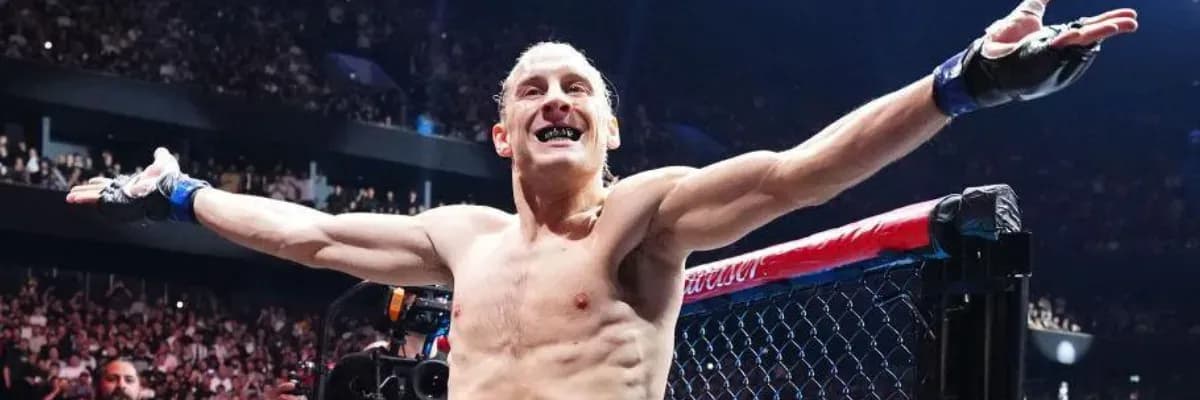
Could Paddy Pimblett become the new megastar for the UFC on PPV?
For years, the UFC has searched for the fighter who could eventually carry the promotion into its post-Conor McGregor era. Championship belts alone are not enough. The sport needs personalities who can headline arenas, sell pay-per-views and make casual fans tune in.
After a statement victory at UFC 329, Paddy Pimblett has reignited that conversation. Is "The Baddy" simply enjoying another moment in the spotlight, or is he becoming the UFC's next genuine pay-per-view superstar?
Conor McGregor occupied that role for nearly a decade. Even during long periods of inactivity, the Irishman remained the promotion's biggest attraction, capable of turning any fight into a global event. But after another devastating injury at UFC 329, the inevitable question has resurfaced: who carries that mantle next?
Paddy "The Baddy" Pimblett may have just volunteered.
Paddy Pimblett Finishes Benoit Saint-Denis in Under a Minute
His 52-second submission victory over Benoît Saint Denis at UFC 329 was impressive enough on its own. Yet what happened beyond the cage may have been even more telling. While much of the night's attention centered on McGregor's heartbreaking loss to Max Holloway, Pimblett quietly reminded everyone why the UFC has invested so heavily in him.
The bigger question is no longer whether Pimblett belongs among the lightweight elite. It's whether he is becoming the UFC's next genuine pay-per-view attraction.
Paddy Pimblett More Than Just a Viral Personality
Pimblett entered the UFC carrying a reputation few newcomers enjoy. He already possessed a loyal fanbase from Cage Warriors, a recognizable personality and an ability to generate headlines without appearing forced. Many critics dismissed that popularity as hype, believing it would eventually disappear once he encountered elite competition. Instead, it has survived every stage of his UFC career.
Unlike many fighters whose popularity depends solely on winning, Pimblett has cultivated something much harder to manufacture: genuine audience investment. Fans tune in because they expect entertainment, whether through his unapologetic interviews, emotional honesty or aggressive fighting style.
That combination has become increasingly valuable in modern MMA, where championship credentials alone no longer guarantee commercial success.
UFC 329 Changed the Conversation About Paddy Pimblett
Before UFC 329, Paddy Pimblett was attempting to rebuild momentum after suffering the first defeat of his UFC career against Justin Gaethje in an interim lightweight title fight earlier this year. Many wondered whether that loss had exposed his ceiling.
Instead, Pimblett produced arguably the most complete performance of his UFC career. Against a dangerous Benoît Saint Denis, who had entered the bout riding a four-fight winning streak, Pimblett needed just 52 seconds to secure a D'Arce choke submission and immediately reinsert himself into the lightweight title picture.
The timing mattered. International Fight Week belonged to McGregor on paper. By the end of the night, however, much of the discussion had shifted toward the Englishman who delivered one of the event's most memorable finishes.
UFC has seen This Story Play Out Before
Every era has produced fighters capable of becoming stars. Very few become attractions. There's an important difference.
Champions sell because they win. Attractions sell because people feel compelled to watch, regardless of rankings. Conor McGregor mastered that formula better than anyone in UFC history.
Pimblett is obviously a different personality. He lacks McGregor's venomous trash talk and calculated psychological warfare. Instead, his appeal feels more approachable. He speaks openly about mental health, embraces his working-class Liverpool roots and has never attempted to present himself as anything other than who he is.
Authenticity travels remarkably well in combat sports. That authenticity has helped him build one of the UFC's largest social media followings while consistently drawing loud crowd reactions whenever he competes.
Stardom Still Requires Winning
Popularity alone is never enough inside the Octagon. Eventually every attraction reaches the same crossroads.
Can they defeat the division's best? That question remains unanswered for Pimblett.
The loss to Gaethje demonstrated both his toughness and the areas still requiring improvement. Yet it also earned him respect. As Pimblett himself told UFC.com before UFC 329, watching Gaethje later capture the undisputed lightweight championship convinced him that he belonged among the elite.
"Gaethje's performance against Ilia showed me that I'm in the top echelon of the division," Pimblett said before facing Saint Denis.
His victory over Saint Denis only strengthened that belief.
Timing Could Be Everything for Paddy Pimblett
McGregor's injury has unintentionally created an opening. The UFC rarely plans succession publicly, but every major promotion understands the importance of developing its next headline attraction before the previous one fades away.
At UFC 329, the contrast felt impossible to ignore. McGregor's comeback ended after barely a minute because of another serious injury. Pimblett, meanwhile, delivered a statement victory that instantly reignited conversations about future title contention.
The lightweight division suddenly possesses several compelling possibilities. A rematch with Justin Gaethje would offer redemption.
A grudge match with Ilia Topuria would generate enormous international interest. Even clashes against Charles Oliveira or Arman Tsarukyan would carry genuine title implications. Unlike previous years, those fights no longer feel premature.
Carrying the Business Different from Carrying the Belt
Being a pay-per-view star involves responsibilities that statistics can't measure. Champions headline because they own titles.
Superstars headline because audiences believe something significant might happen whenever they compete. Pimblett appears to understand that responsibility.
Speaking after UFC 329, he admitted that retirement had briefly crossed his mind during training camp because he believed another defeat would seriously damage his championship ambitions. Instead of folding under that pressure, he produced the fastest finish of his UFC career.
Those are the moments that build stars, not carefully managed victories, not manufactured rivalries, performances that change public perception.
Paddy Pimblett: The UFC's Next Commercial Cornerstone?
It would be premature to declare Pimblett the UFC's next McGregor. No fighter may ever replicate what the Irishman accomplished commercially. The landscape has changed. Audiences have changed. Even the UFC itself has changed.
Promotions never stop searching for personalities capable of transcending championships. Pimblett increasingly looks capable of becoming one of those rare fighters.
He has the charisma, the fanbase. Paddy Pimblett has proven he can recover from setbacks. Most importantly, he is beginning to pair genuine commercial appeal with victories over increasingly dangerous opponents.
Whether he eventually captures UFC gold remains uncertain. Whether he can become one of the promotion's biggest attractions feels far less doubtful.
After UFC 329, Paddy Pimblett is no longer simply one of the UFC's most recognizable personalities. He's becoming one of its most valuable business assets.