How good is Aaron Pico? Analyzing the UFC featherweight contender's skills and fatal flaws
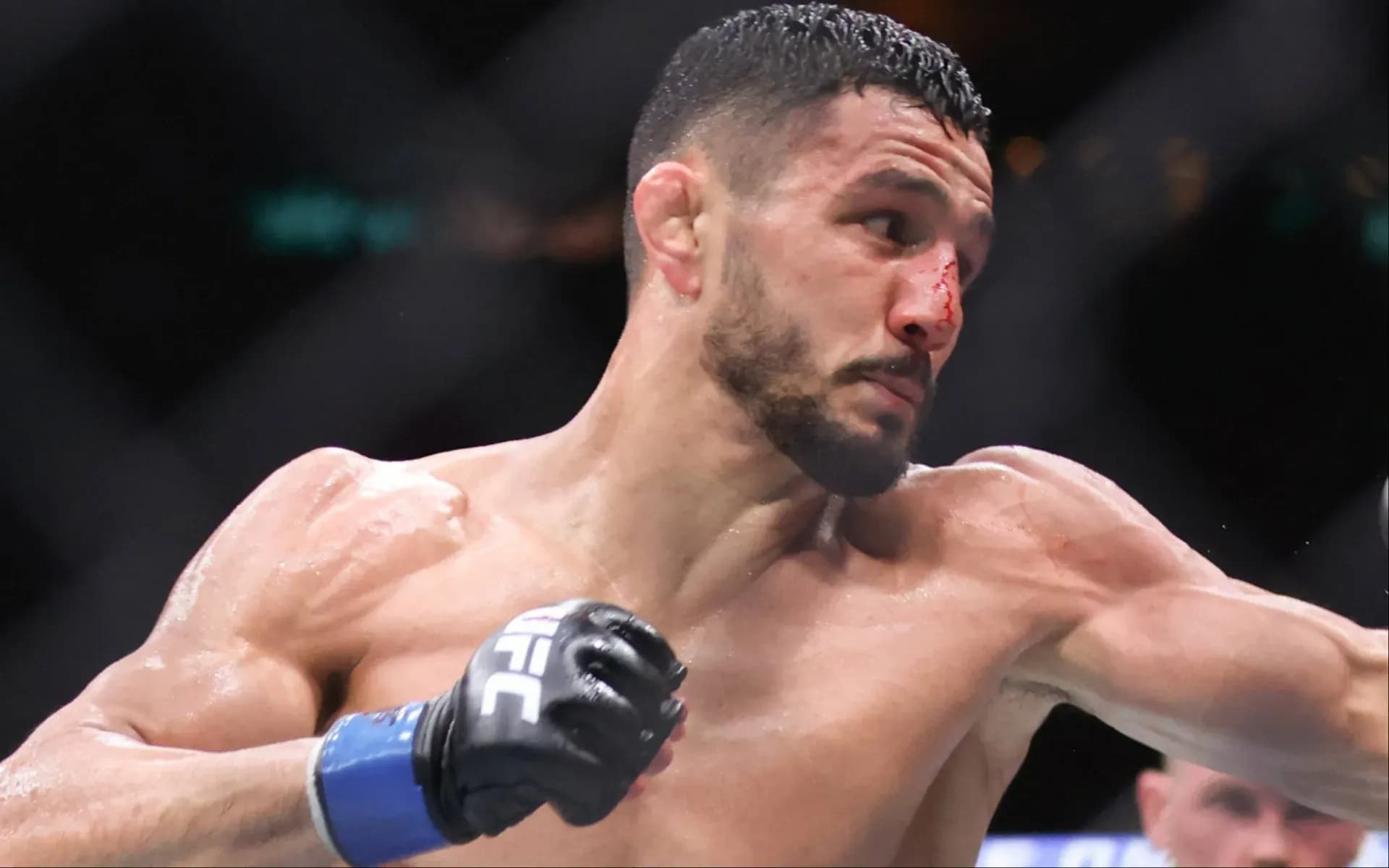
Despite what his record suggests, Aaron Pico is, skill-for-skill, one of the best featherweights in the UFC, and if he tightens up his approach moving forward, he can go far in the division and perhaps even become a title challenger.
When he first broke into MMA, Aaron Pico was regarded by Bellator as the 'Next Big Thing' in the sport. He wasn't perfect, but he had nearly every ingredient needed to rise to championship heights. Now, nearly 10 years since his professional debut, Pico is a UFC fighter, but still hasn't won a title anywhere. At 30 years old, time is still on his side, but does he still have what it takes? Did he ever?
Aaron Pico: The well-rounded hammer
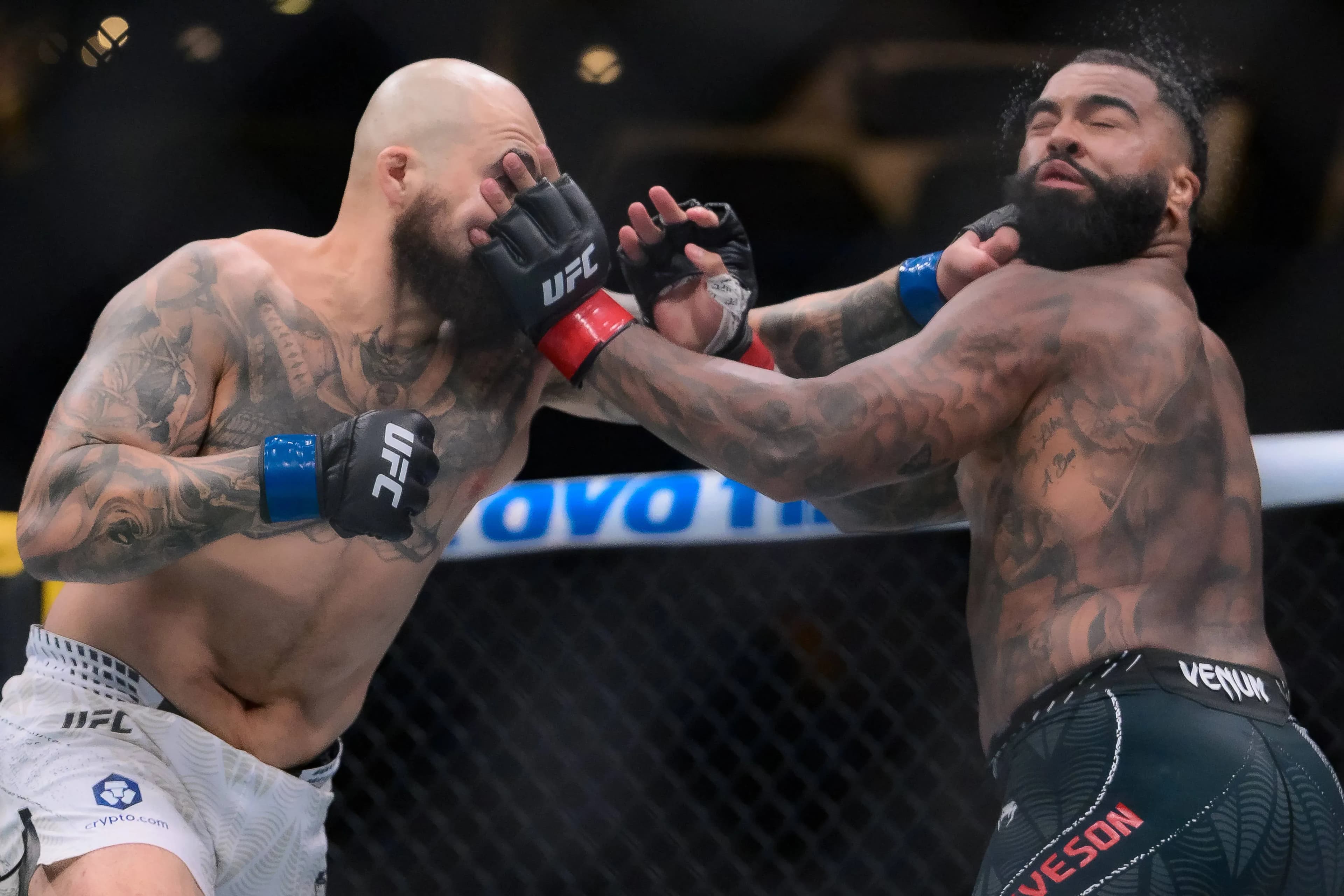
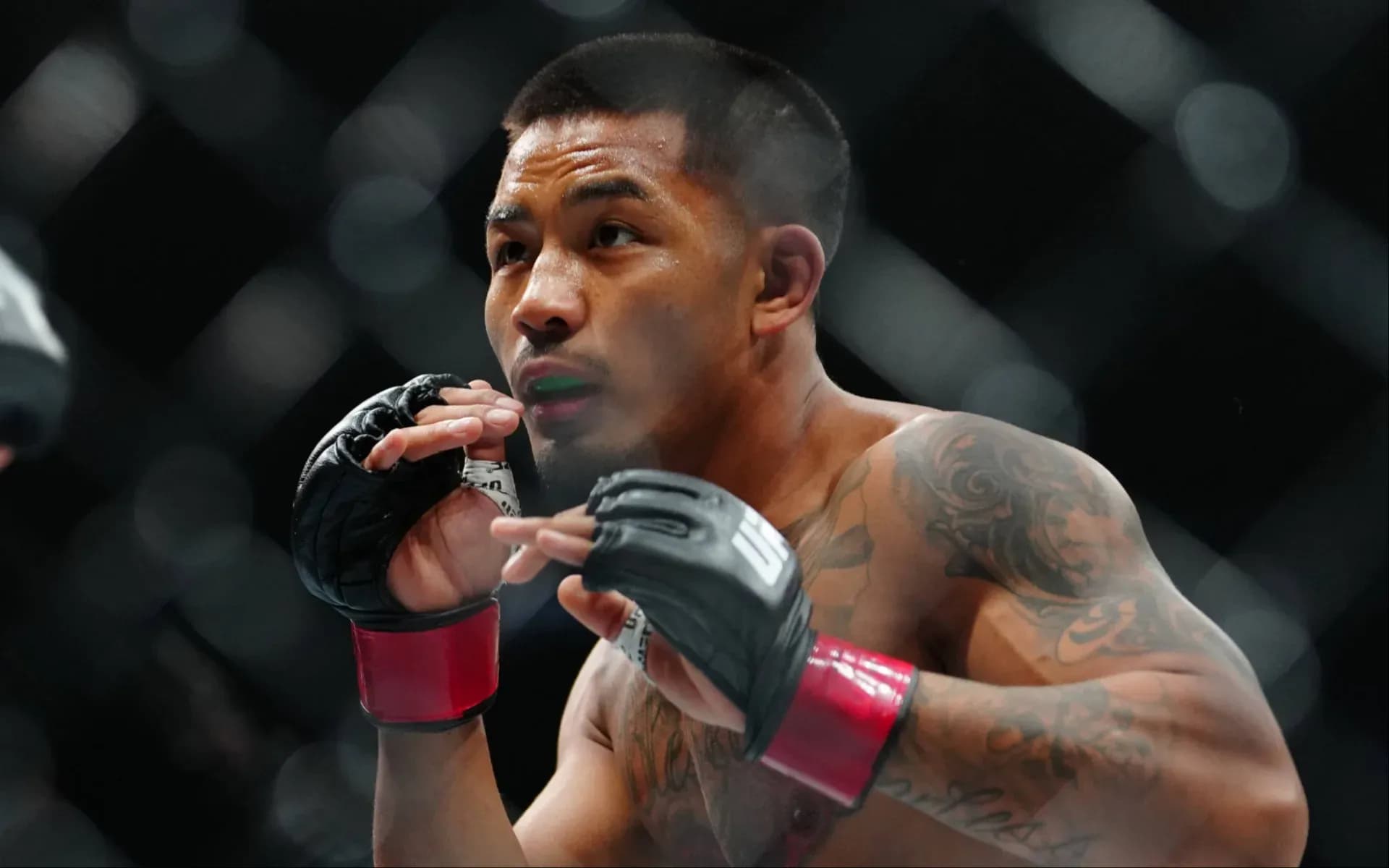
There's a reason Aaron Pico had so much hype early on. First, he had a very strong wrestling base. Second, he wasn't a fish out of water when it came to striking. In fact, his boxing was fairly good by MMA standards, and it was helped by the simple fact that Pico can crack. He's as athletic as they come, with plenty of punching power, explosiveness, and speed. So, how does this translate to his fighting style? He's a great boxer and fights from a relatively low stance, with his rear-foot pointed somewhat forward. This allows him to spring into range very quickly with combinations. He's not much of a jabber, instead prioritizing aggressive forward pressure, while using combinations to goad his opponent into a pocket boxing exchange.
He's also a brutal body puncher, drawing his opponent's guard high by headhunting to expose their midsection to hooks and uppercuts. Pico will also occasionally use the perceived threat of a high kick to set up his body shots. He'll throw a high kick at different intervals, usually as a barrier to stop his opponent from circling out into space. The next time he throws a kick, the opponent expects it to go high, so they raise their guard. Instead, he'll land a low kick that gets him in position to land a vicious left hook to the body. His best punch, though, is his overhand right, which he also uses as a counter for low kicks, catching his opponent as they're standing on one leg. However, his general aim is to back his opponent up, crowd their space, and goad them into a pocket boxing exchange where his superior speed and power benefit him.
In his recent fight with Losene Keita at UFC 333, he showed some new wrinkles to his game. For example, he started the finishing sequence by faking a slapping long left hook before opening his hand to pull Keita's rear hand down and expose his chin to a big right hand. It's similar to Kamaru Usman's UFC 261 knockout of Jorge Masivdal. Then, of course, there's Pico's wrestling. Once he has convinced his opponent to trade in the pocket with him, he times an explosive double-leg the moment they square their hips to throw back. Another, though lesser, part of his wrestling is a high-crotch single-leg, which is an adaptation to how well modern MMA fighters have learned to defend against a double-leg by getting overhooks, dropping their hip pressure, then turning and lifting their opponent's shoulder to stuff it.
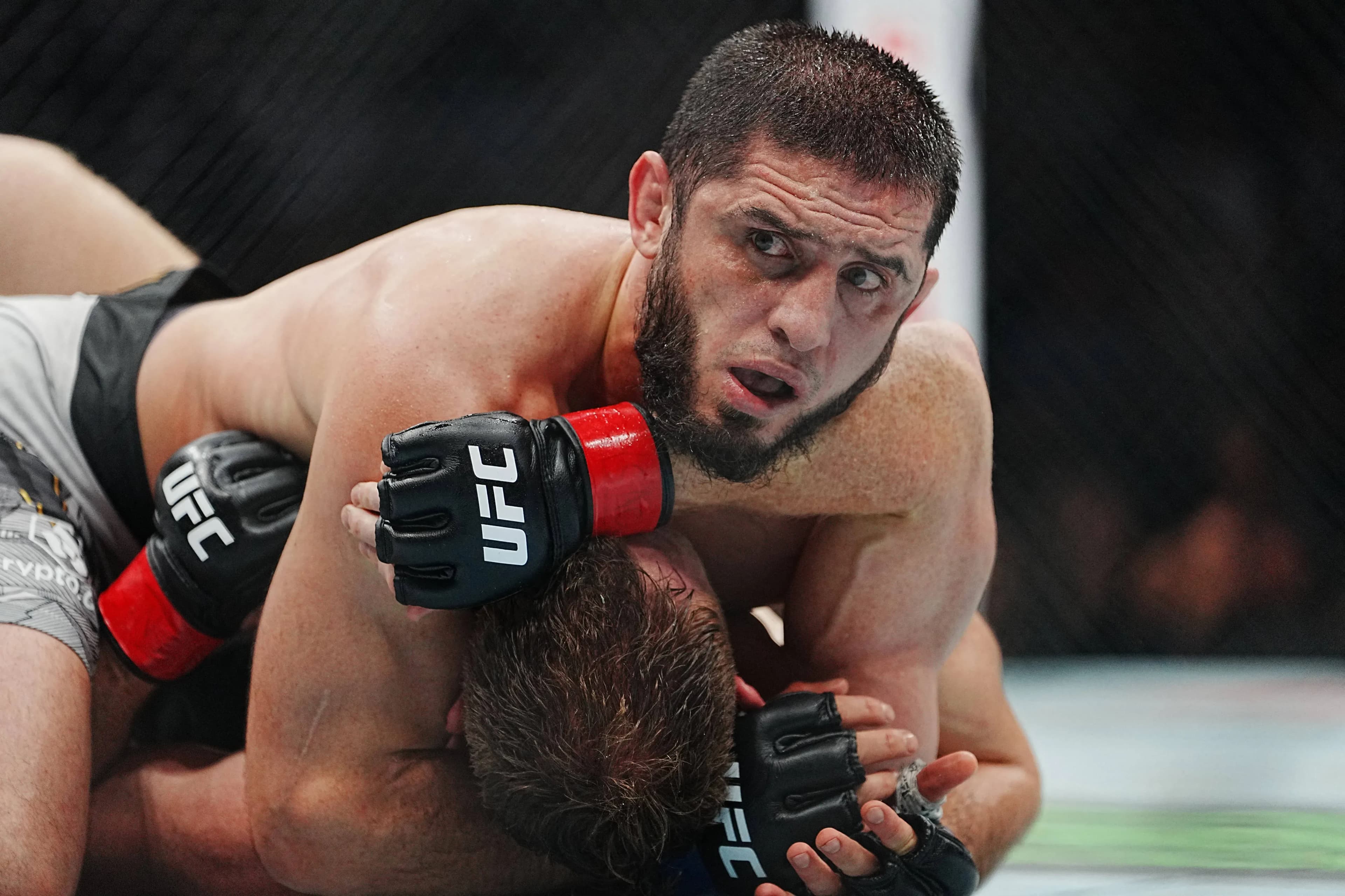
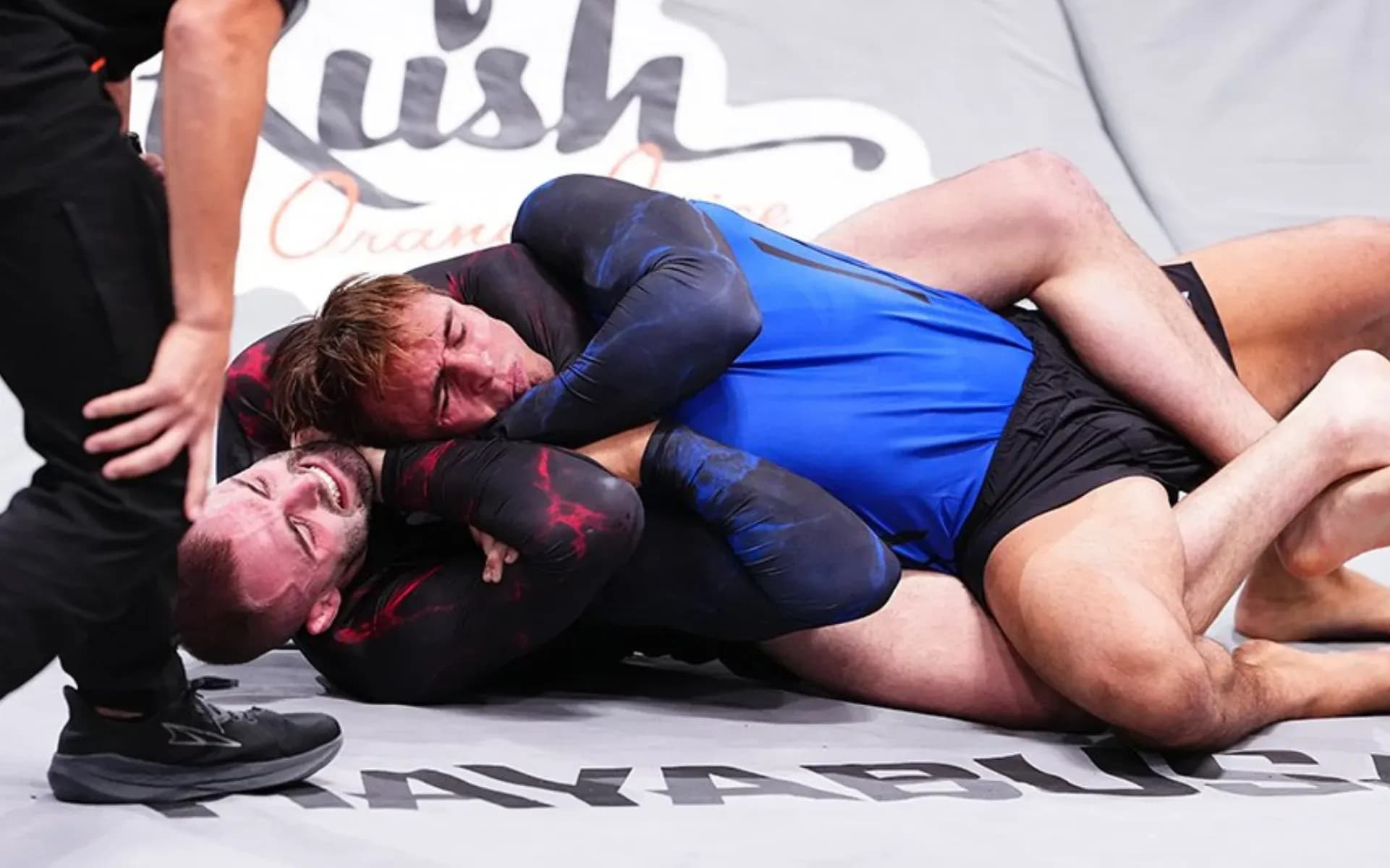
The goal of his takedowns, though, isn't control. His wrestling is just another way for him to deal damage. On the ground, his top pressure is heavy. Like most wrestlers, he'll use his chest and forehead to pin his opponent's torso to the mat, and he also drags the opponent's hips and feet away from the fence to stop them from scaling back up to their feet. At this point, Pico is all about ground-and-pound, raising his hips and dropping elbows and hammer-fists. He's dangerous everywhere, but he has his shortcomings.
Aaron Pico: The glass cannon
The unfortunate truth about Aaron Pico is that he gets in his own way. He has all of the tools to break the curse of Bellator fighters struggling in the UFC, but there are defensive issues that he has to address. First, he overcommits to everything. When Pico moves forward, his feet aren't always underneath him, so he's rarely in position to just bounce back into his stance when he needs to retreat from a possible counter. It's all gas, no brakes. So, he's not exactly hard to hit on the counter, and his opponents don't have to hit him especially hard either because he explodes forward with so much momentum that he creates the collision needed for a knockout. So, even fighters who aren't known for knocking their opponents out, like Lerone Murphy, shut Pico's lights out at UFC 319.
This defensive issue is worsened by the fact that Pico barely uses any feints to close the distance safely. This gives his opponent ample decision-making time because they have nothing else to think about. The probability that Pico will feint in one direction, then move in another, or feint his shoulder, hips, etc., is low. He simply comes forward, and that's not hard to see coming. The same issue affects his wrestling. While, yes, he will use combinations to create openings for takedowns, he'll also just shoot for a blast double, making him easy to time with knees and uppercuts up the middle. This is what led to his TKO loss to Ádám Borics at Bellator 222. This overreliance on blast doubles and power-wrestling eventually comes at the cost of his cardio. It's an energy-intensive style that causes him to gas out as the fight progresses.
Once Pico gets tired, his technique not only falls off a cliff, but without the speed and explosiveness that are so fundamental to his style, he becomes a lot easier to counter. When he fights with more disciplined, like he did against Losene Keita at UFC 333, and against Patricio 'Pitbull' Freire at UFC 327, he's a far more difficult fighter to handle, and he has everything to become a title challenger, as he's now eyeing the top of the division.