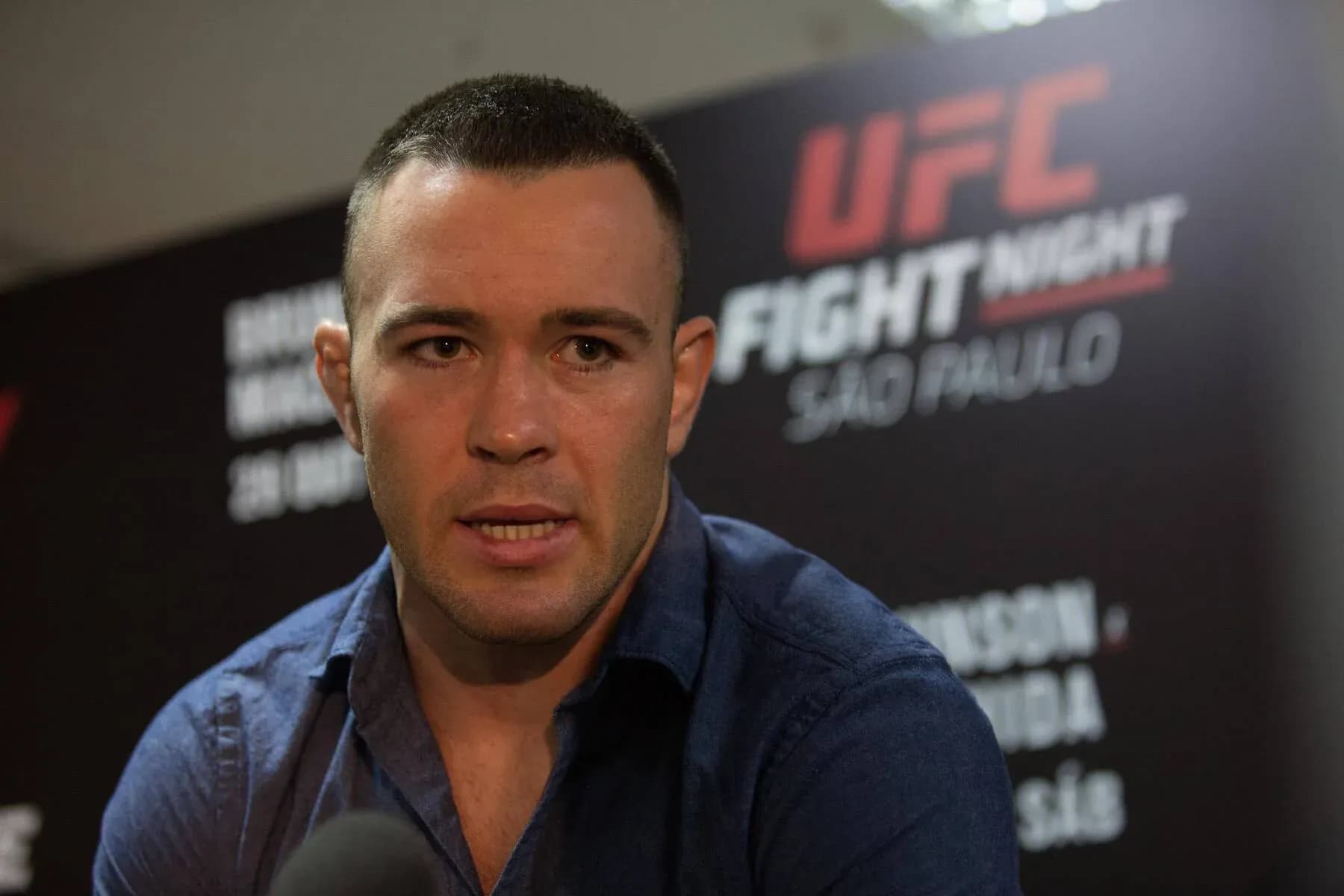
Colby Covington Slams Dana White, Citing UFC Fighter Pay Gap Amid Zuffa Boxing’s $15 Million Deal
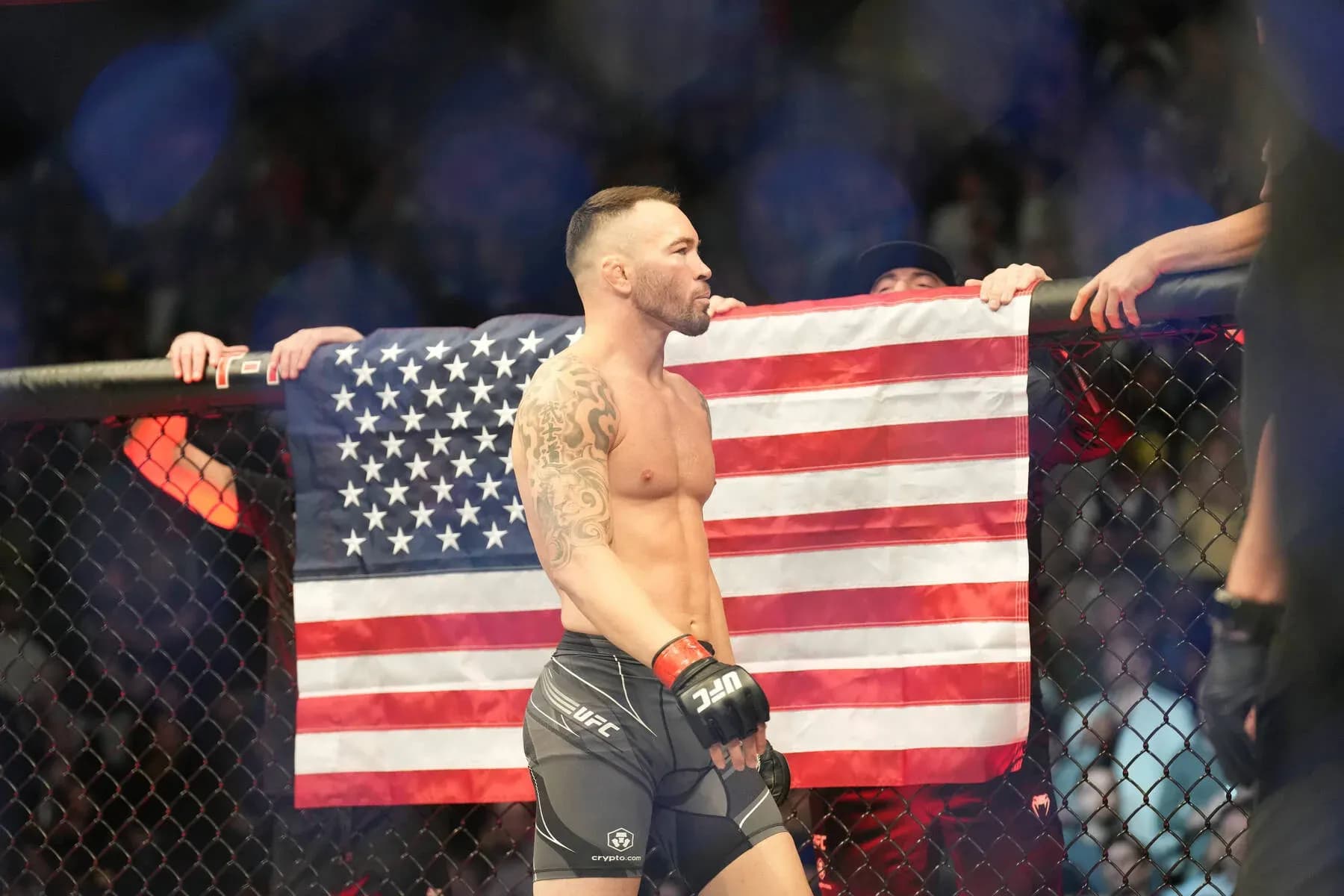
Akin to Sean Strickland’s take, Colby Covington didn’t quite hold back when it came to UFC’s fighter remuneration.
In a recent exclusive interview, the former UFC welterweight aimed at Dana White and the promotion’s pay structure, drawing a sharp comparison with sister promotion Zuffa Boxing and the growing disparity in fighter compensation.
Colby Covington Takes Aim at Dana White Over Conor Benn’s $15M Deal
Much like the lot of UFC fighters, for Covington, the issue comes down to the value the same sporting organization appears willing to place on athletes competing in two different combat sports. His frustration centered on British boxing sensation Conor Benn, who reportedly secured a one-fight deal worth $15 million with Zuffa Boxing.
The British boxer’s agreement became a particularly difficult comparison for the 38-year-old to overlook. While UFC fighters have repeatedly raised concerns about their compensation, Benn was handed a reported eight-figure payday for a single appearance under the Zuffa banner.
During a candid conversation to James Lynch, “Chaos” described the deal as a “slap in the face” to UFC fighters. He also took a swipe at Benn’s performance against Ryan Garcia, questioning why the boxer was receiving such a substantial payday.
“And he quit in his fight,” the RAF champ said. “He literally just went out there to take a paycheck and just quit. He didn’t even put on a good performance, you know? He was out in like three or four rounds against Ryan Garcia, who’s nothing special.”
He then brought the discussion back to the people he believes are being overlooked in the arrangement, UFC fighters. “I don’t like that they’re, you know, incentivizing boxers over us UFC fighters. UFC fighters, we take the biggest risk.”
His criticism is particularly notable given his history with the promotion. Covington was often viewed as someone willing to play along with the UFC's promotional machinery. Now competing outside the organization, he has been considerably more outspoken about the issues he believes fighters face.
Sean Strickland and Israel Adesanya Have Also Questioned UFC Fighter Pay
Covington's frustration isn’t happening in isolation. The promotion’s Middleweight champion Strickland has also made his dissatisfaction with the UFC's compensation model clear, even suggesting that he could consider leaving the promotion if things do not change.
In fact, he voiced his frustration last month, pointing to the disparity between what Conor McGregor reportedly earned and what other fighters receive.
On that note, previously he has gone further, describing the UFC's payout structure as predatory when discussing the difference between athlete compensation and the revenue generated by the promotion.
Israel Adesanya also weighed in on the subject after Benn's reported Zuffa Boxing deal. The former middleweight champion acknowledged the quality of elite boxers but questioned why UFC fighters should be expected to settle for considerably less when they compete at the highest level of their own sport.
That said, the former champ's frustration was not directed at boxers earning more. Instead, he questioned why UFC fighters were not receiving comparable opportunities under the same corporate umbrella.
For Covington, there is another reason the comparison feels unfair. He believes MMA fighters face a wider range of physical threats inside the cage than boxers do in the ring. Elbows, knees, kicks and takedowns all come into play, alongside punches, making the physical demands of the sport fundamentally different.
“We’re using elbows, we’re using knees, we’re using shins, we’re using fists, we’re using takedowns,” Covington said. “I think that it’s unfair to the fighters and I get where the fighters are coming from.”
Whether the UFC responds to these complaints remains to be seen. With fighters from different generations and championship backgrounds raising similar concerns, the conversation around compensation is becoming increasingly difficult to ignore.