Who has the best boxing in the UFC and why is it Joshua Van?
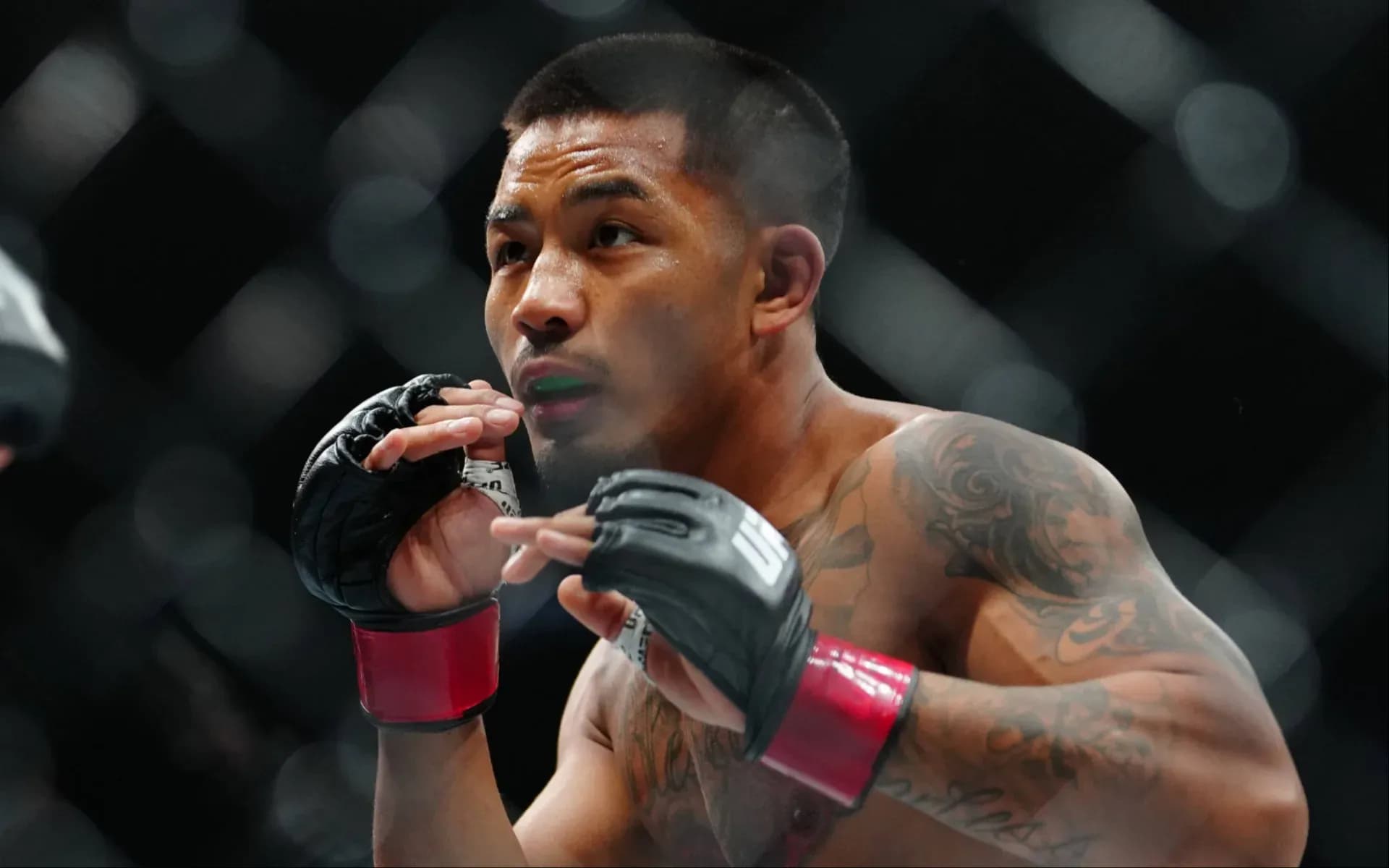
There's been a boxing renaissance in MMA, and Joshua Van's skills arguably elevate him just beyond the level of the UFC's other great boxers, like Ilia Topuria, Petr Yan, and Sean Strickland.
Whenever Joshua Van steps inside the octagon, a boxing masterclass can be expected. He's both technical and dangerous, and offensively-minded without being defensively reckless. The full package he brings is one that the other high-profile boxers in the sport just can't contend with.
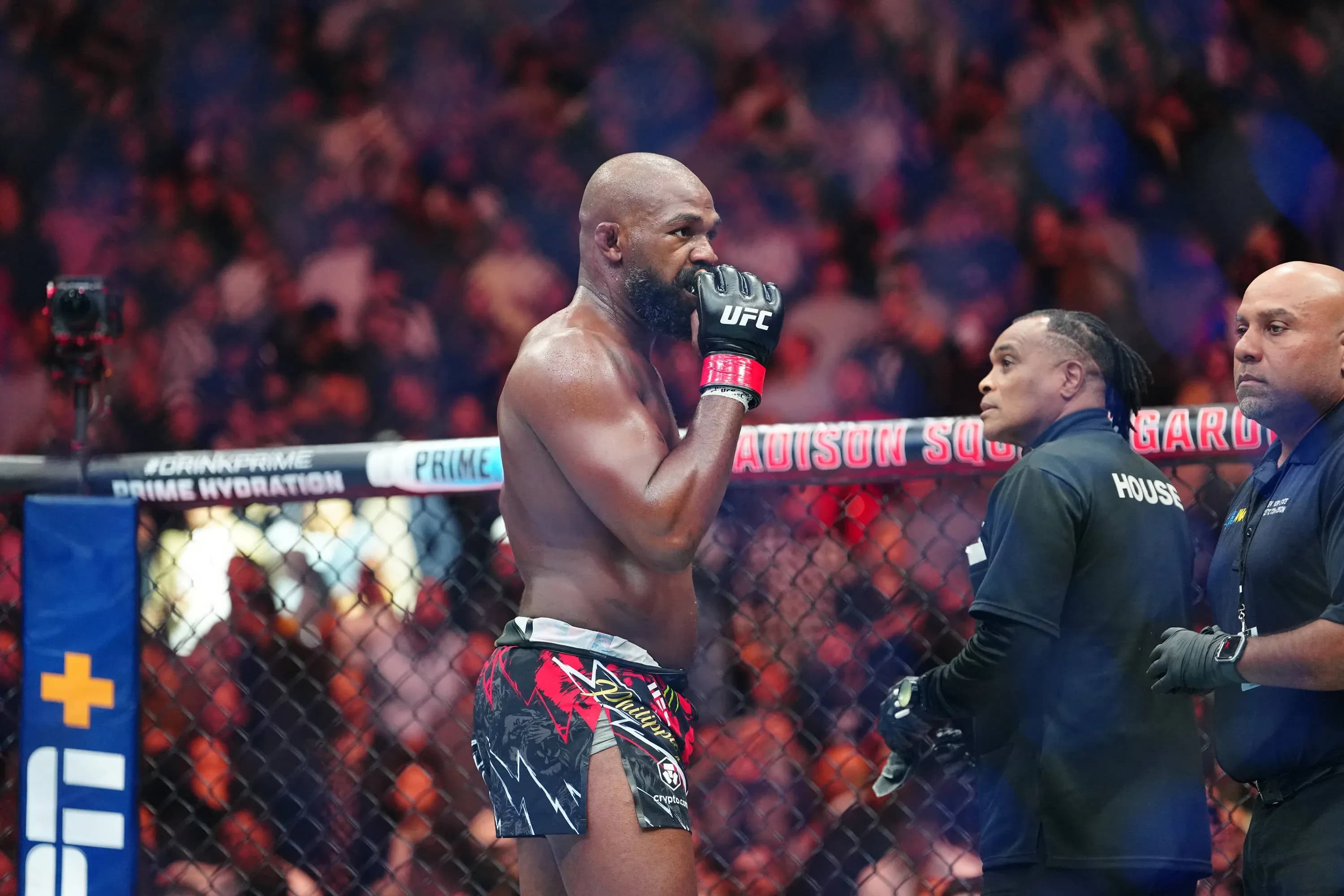
Sean Strickland: The worst of the best
Reigning UFC middleweight champion Sean Strickland is widely praised for his boxing, but just how good is it? First, when you take away the teeps to the body, there isn't much substance to his overall striking. His boxing, in particular, is very barebones. His stance is upright and narrow, allowing him to cover distance and apply pressure by simply walking forward in a way that isn't biomechanically demanding compared to bouncing around the cage or sliding back and forth with a long stance. People walk every day, so it's a masterful way for him to preserve his energy and create the illusion that his gas tank is bottomless. He just isn't wasteful.
As he comes forward, Strickland pops his opponent with a very hard jab that they always struggle to see coming. This is because he fights behind a Philly Shell, allowing him to turn his torso and deflect any incoming counterpunches with his lead shoulder and elbow. Since the Philly Shell makes Strickland hard to hit clean, it also lets him stand directly in front of the line of fire. This helps his jab in two ways. One, he's always close enough to land it, while keeping himself safe. Two, the Philly Shell keeps his lead hand low, across the torso, so Strickland can throw his jab by leading with his elbow.
Mechanically, it makes for a faster jab, and because his lead hand is low, it's just harder for his opponent to see the punch coming, and those are always the ones that hurt the most. This is why Strickland's jab deals so damage, on top of the fact that he'll sometimes change the angle of his jab or disrupt his own rhythm, like half-pausing mid-jab, before speeding up to interrupt whatever his opponent is doing. Of course, he also has a right cross that he throws as a follow-up, and it has a surprising amount of sting. Just ask Israel Adesanya. In the end, there isn't much else to Strickland's boxing game. He has some hooks here and there, but they mean nothing.
And for all his defensive work, he isn't impossible to hit. He tends to parry his opponent's jab with his rear-hand, which exposes his chin. This is what got him knocked out against Alex Pereira at UFC 276. Pereira landed a few body jabs, so Strickland's built-in response was to parry them. So, the next time Pereira dipped as if to throw a body jab, Strickland dropped his rear-hand for a parry. Only, instead of a jab, Pereira uncorked a big left hook over the top, flooring him.
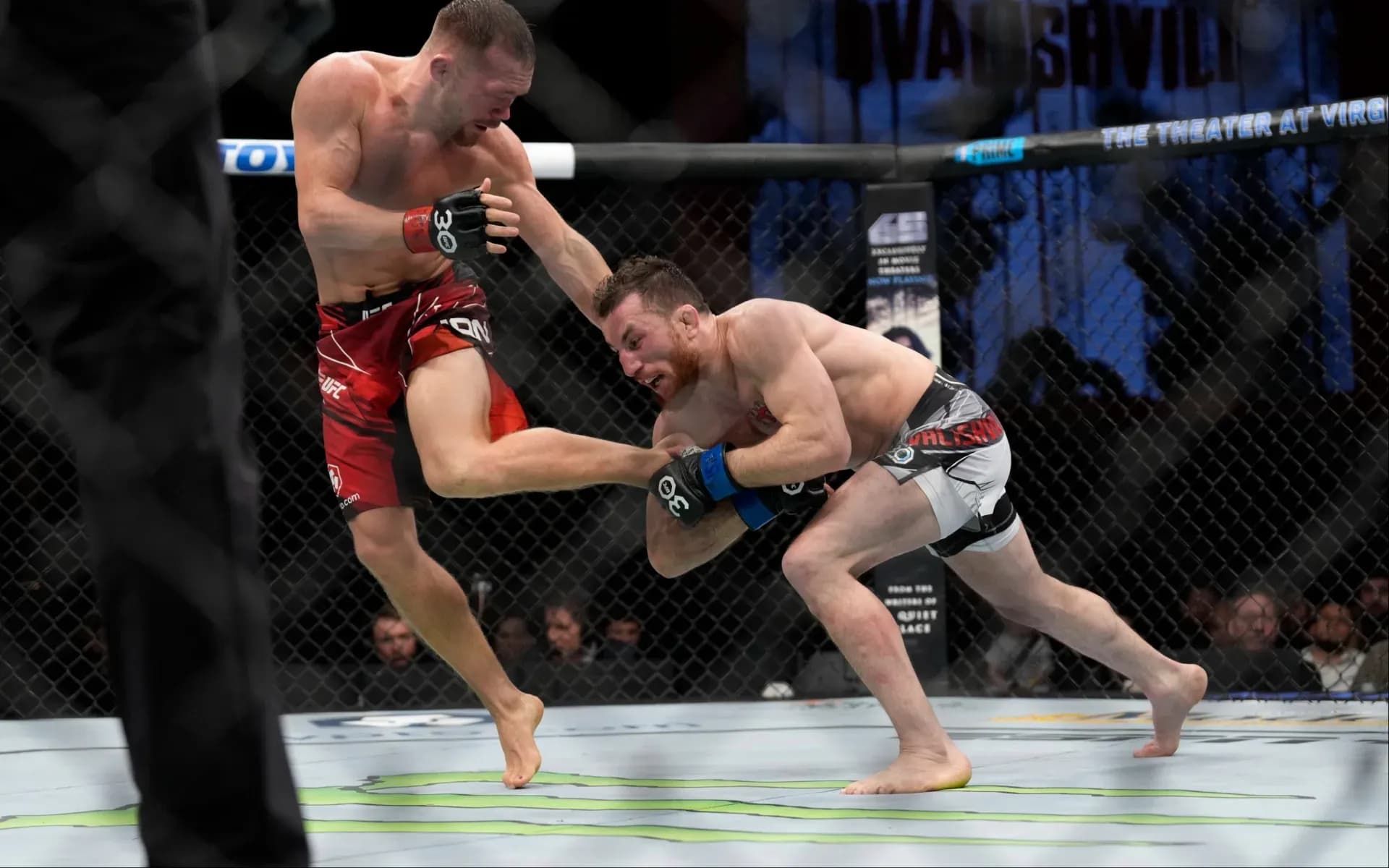
Petr Yan: The patient technician
There's just something so clean about the way Petr Yan boxes. He fights behind a high guard that works well with his footwork, and it's carried him to bantamweight championship success. It has even solved the Merab Dvalishvili problem in the division. Twice. His high guard means he can apply pressure and not have to worry about his opponent's jab too much. However, looping shots around the guard are still dangerous, so 'No Mercy' doesn't just come forward recklessly. Instead, his steps, with his legs always a shoulder-width apart, are short and controlled. This allows him to close the distance carefully without alerting his opponent by otherwise lunging.
When the high guard fails him, he posts his lead hand out with a long guard, then pivots to exit at an angle, landing counter left hooks. He also lulls his opponents into a false sense of security. As a pressure fighter, Yan creates the illusion that he wants to be in his opponent's face, as close as possible and in boxing range. So, when he's out of boxing range, fighters always assume they're safe. This creates openings for Yan to explode with combinations, changing the rhythm in a big way, as he usually throws single jabs and big right hands at a time. However, when it suits him, he will leap into the pocket with a long chain of combinations that causes his opponent to retreat.
His combination work is what gave Cory Sandhagen so much trouble at UFC 267. It also gave Sean O'Malley some fits at UFC 280. One thing that distinguishes Yan from almost everyone else in the UFC is his commitment to body shots. He'll throw body shots, particularly a left hook to the body, on the break after clinching, or after setting it up with a left hook upstairs, raising his opponent's guard and exposing their midsection. Unfortunately, Yan's big issue is that he's too comfortable giving away rounds. He's a slow starter and it takes him a while to make the reads he needs to inform his decision-making in fights.
He's better than Strickland, but not better than the other two best boxers in the UFC.
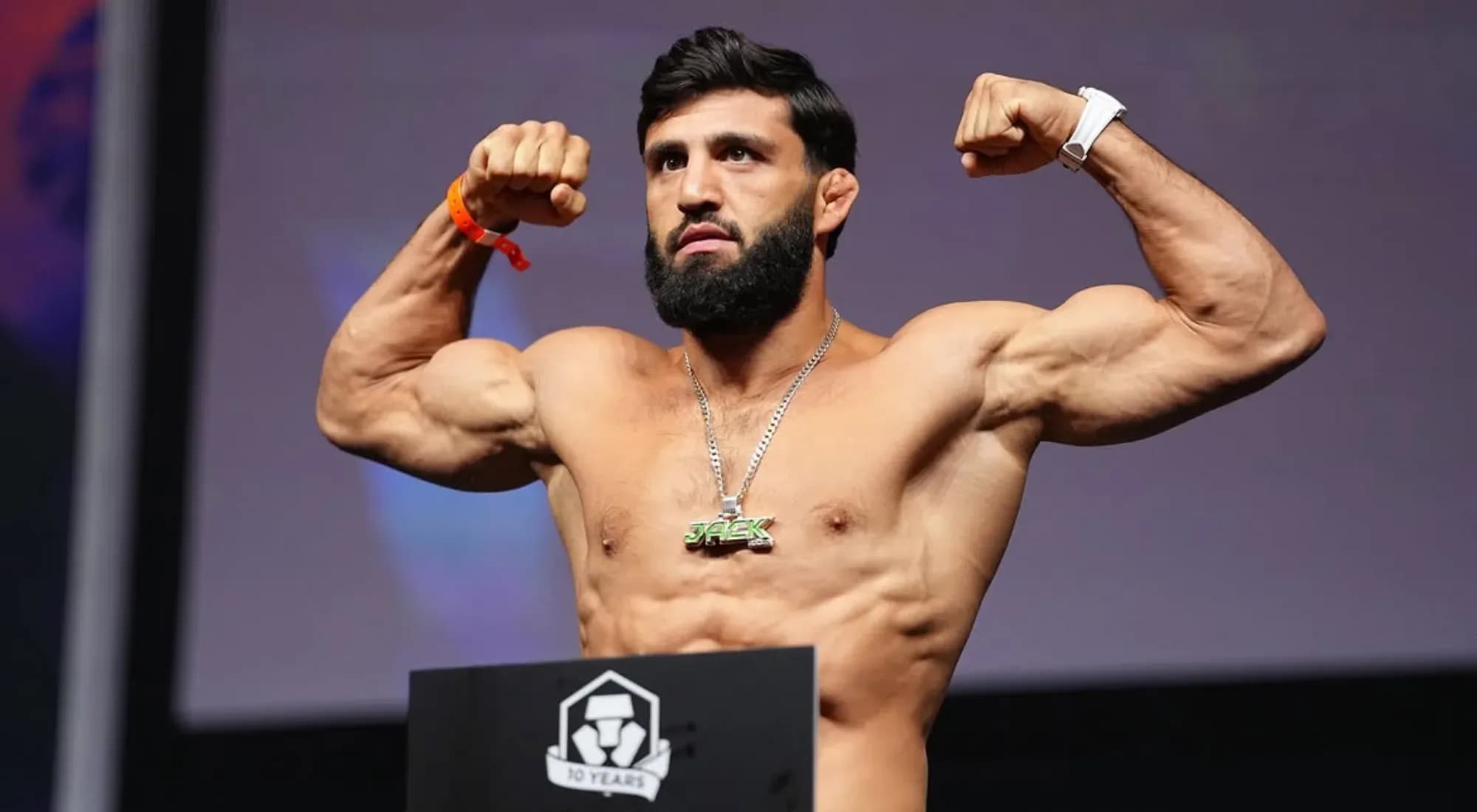
Ilia Topuria: Close but no cigar
There was a time when Ilia Topuria was regarded as the best boxer in the UFC. He was undefeated, having knocked out Alexander Volkanovski, Max Holloway, and Charles Oliveira in one of the greatest-ever three-fight runs. So, it was hard to argue against the notion that he was MMA's best boxer. Topuria's goal is to knock his opponent out. He's always on the front foot, applying methodical pressure. His stance is relatively traditional, with his rear-foot, which is his right foot, pointed outward. This does two things. One, it means he stands sideward, making his body a smaller target. Two, Topuria moves that rear-foot to keep his body aligned with his lead shoulder for the shoulder roll.
He also pivots with that shoulder roll to create an opening to crack an aggressive opponent with combinations on the counter. This is part of what makes Topuria so dangerous in the pocket. His intention is to hurt his opponent, but he rarely forgets to stay defensively responsible. But because of how powerful he is, most fighters are wary of fighting him in the pocket. When forced to fight from a distance, Topuria stalks the opponent, slips to the inside to avoid the jab, then to the outside, changing levels to avoid a right hand, but this isn't perfect, as it leaves him vulnerable to head kicks. He's also not above throwing caution to the wind by breaking his rhythm to explode with a long combination.
Topuria himself has explained that this works so well for him because most MMA fighters are used to one-twos and, at most, one-two-threes. This causes most fighters to drop their guard after a one-two or one-two-three, expecting it to be their 'turn' to throw back. Topuria, though, keeps on going, and he varies his target, cracking the head as much as blasting the body. Where Topuria falls short is when he's forced to cut off the cage by moving to his right.
It means he takes an additional step when forced to step across to the right, exposing him to counters since, as an orthodox fighter, he has to move his rear-foot first when stepping across. Also, as a product of his overconfidence, he will sometimes stand right in front of his opponent when they're both in position to land, which partially led to his loss to Justin Gaethje at UFC Freedom 250.
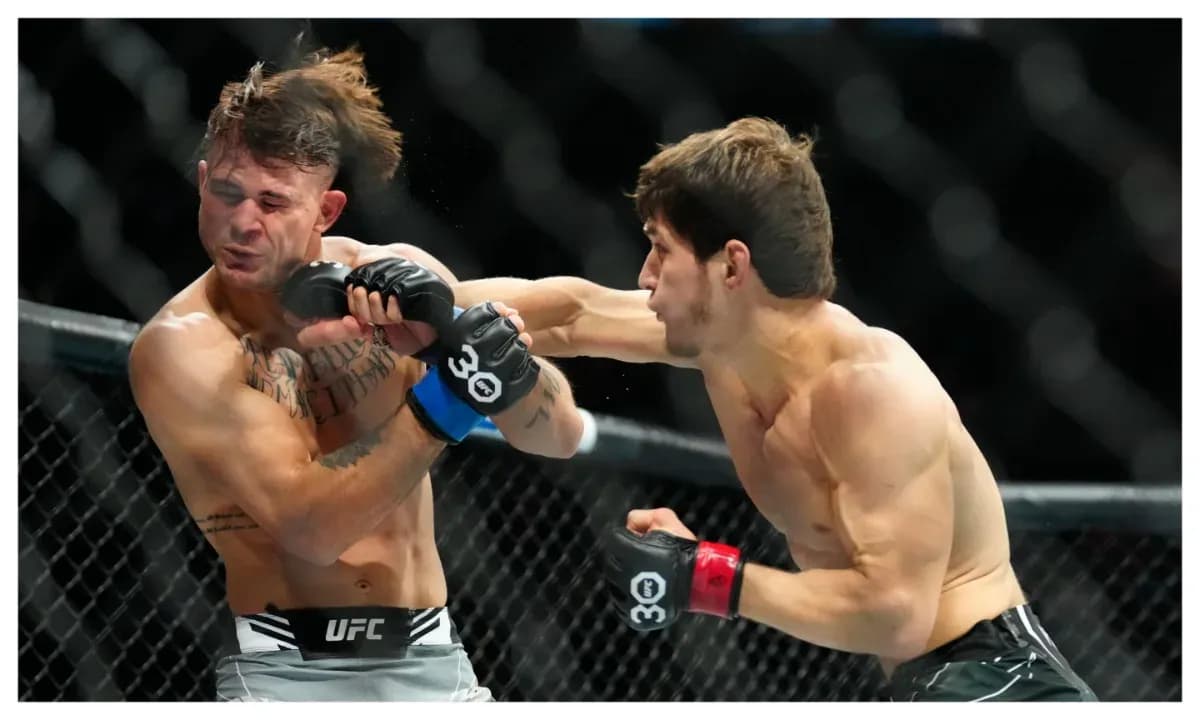
Joshua Van: The very best
Joshua Van's boxing is truly the best in the sport. It all begins with how disciplined the flyweight champion's footwork is, as Van always remembers to keep his feet underneath him, whether he's simply moving or throwing. His stance keeps his rear-foot pointed almost forward. Furthermore, he's always on the ball of his rear-foot, allowing him to hop into range without sacrificing his stance. Defensively, it also allows him to hop right back out of range to avoid counters, and it keeps his jab and straight punches from being telegraphed, as he can bounce into range with his strikes.
Even his head movement benefits from this footwork, because he always moves with his lead foot first, then his rear-foot follows. So, he's always in a good position to slip punches and land counters. The variety of Van also can't be overstated. He doesn't always step in with his jab, because that would mean telegraphing it every time he extends his stance. Sometimes, he'll hop in, feint with his right shoulder, as if to throw a right hand, only to then interrupt his opponent's counter with a stinging jab. All of these elements mean that Van is extremely dangerous in the pocket, because he always keeps his feet underneath him, so he's always in stance.
When he feints and his opponents bite, he blasts them with combinations, and he's an even more dedicated body puncher than Ilia Topuria is, ripping ruthless combinations to the midsection before opening up up-top. His boxing is currently the ceiling in MMA, and he'll prove it once again when he faces Manel Kape at UFC 336.